





Estimated reading time: 10 minutes
You step into the shower and suddenly you see that the shower drain is clogged and the water does not drain. The drain fills slowly and after a few minutes you are standing with your ankles in the water. A clogged shower drain is one of the most common problems in the bathroom. It occurs in almost every household, but the good news: you can usually solve it yourself.
In this article, you can read step by step how to unclog a clogged shower drain, what the causes are and how to prevent it from happening again.
Table of contents
What causes a shower drain to get clogged?
A shower drain does not get clogged overnight.
Over time, a layer of dirt builds up in the pipe, until the passage is almost or completely closed.
The main culprits:
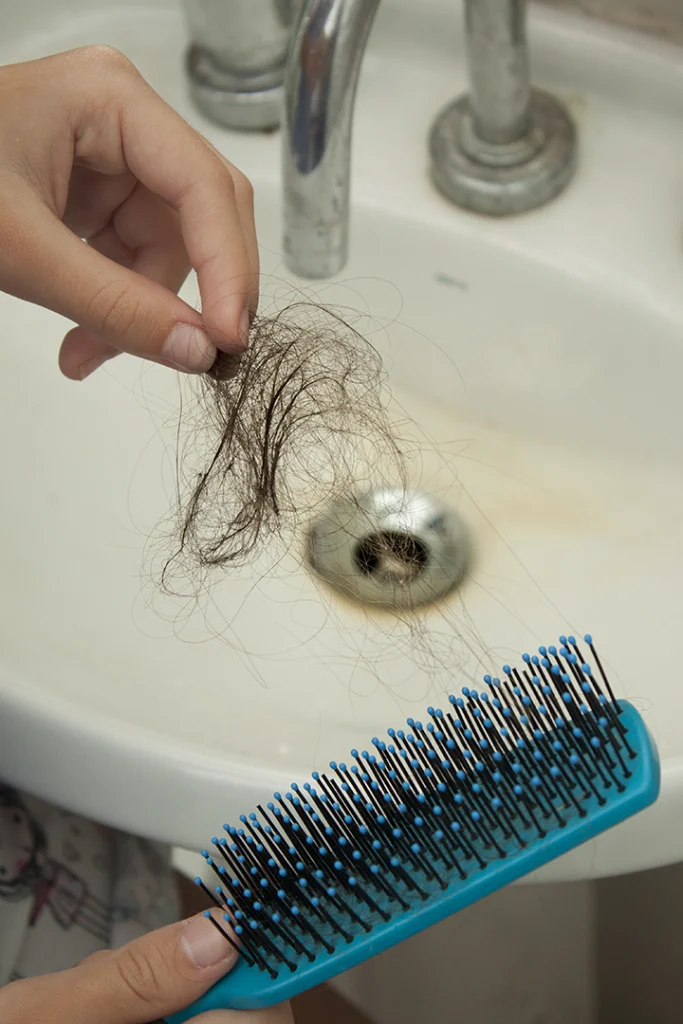
1. Hair accumulation
The biggest cause is hair.
When washing, shaving or combing, hair rinses towards the drain. Long hair in particular quickly forms tangles that together with other dirt make a solid plug. That hair plug is often the basis of almost every blockage in the shower.
2. Shampoo and soap residue
Shampoo, soap and conditioner partly dissolve in warm water, but as soon as the water cools down, the residues settle on the wall of the pipes. A sticky layer then forms that attracts hair and other dirt, making the blockage thicker and thicker. Skin oils enhance this effect by mixing with the soap residue and thus forming a kind of “glue layer”.
3. Lime and hard water
With hard water, minerals precipitate on the inside of the drain. This limescale slowly narrows the pipe, making it harder for water to drain and dirt to linger more quickly.
4. Installation errors
Sometimes the problem is not only dirty, but also the way the drain is installed. If the drain pipe does not have enough slope (at least 1% slope), the water flows away too slowly and dirt can settle more easily. In the case of subsided floors or a poorly executed installation, the pipe can even get a kink, where dirt continues to accumulate.
First steps to unclog the shower drain
Always start with the mildest methods and only then work your way up to heavier solutions.
This way you prevent damage to the pipes and often save yourself a lot of hassle.
Step 1: Remove and clean the grid
Is your shower drain clogged?
Then start by removing the grate or drain plate.
- Often you can just lift it by hand.
- Sometimes there is a screw in it that you have to loosen first.
Clean the grid with a cloth, piece of kitchen paper or an old toothbrush.
Preferably do this over a bucket rather than in the shower itself.
Pull the visible hair plugs out of the drain with your fingers or a hook (for example a metal clothes hanger).
Step 2: Remove deep-set hair and dirt
Is there still water in the shower?
Then let it drain away as much as possible or scoop it away with a bowl.
- Then carefully insert a long drain hook, unbent paper clip or a special drain brush into the drain.
- Pull up as much hair and dirt as possible.
You’ll be surprised how much comes out.
Repeat this until you hardly lift any new residue.
Step 3: Flush with hot water
Bring a large pot or kettle of water almost to a boil.
Pour this slowly and carefully into the shower drain.
- The hot water helps to loosen soap residue and layers of grease.
- Repeat this two to three times, taking a minute in between each time.
Note: To avoid deformation of PVC pipes, do not use boiling water, but very hot water (about 70–80°C).
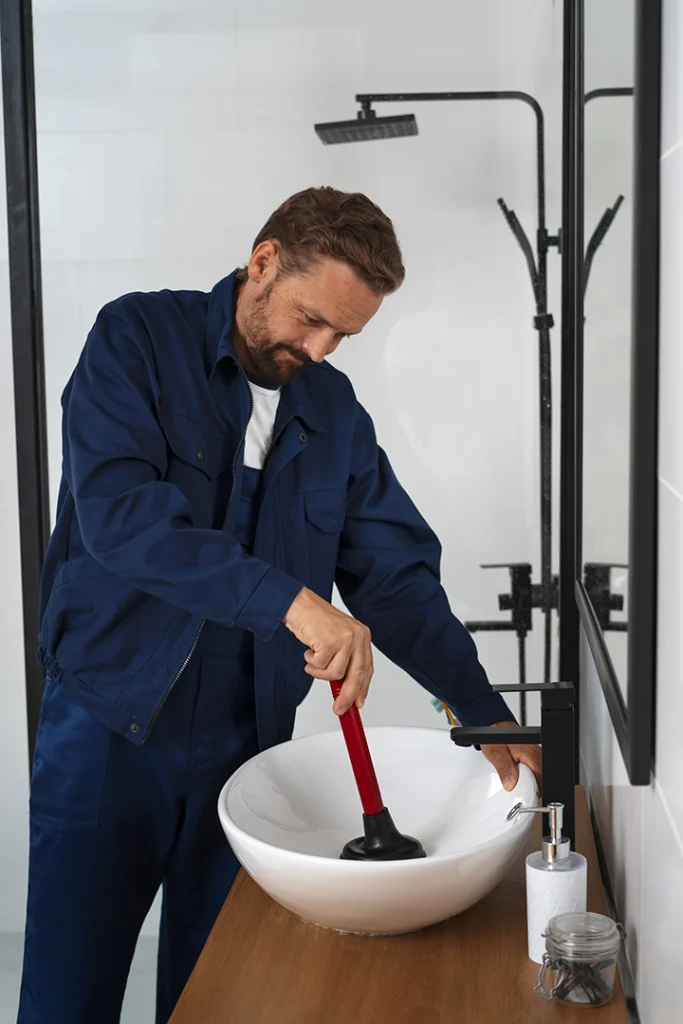
Step 4: Using the Plunger
A rubber plunger is ideal for pulling a blockage loose.
- Make sure there is 3–5 cm of water in the shower tray so that the plunger closes properly.
- Place the plunger firmly over the drain opening.
- Pump vigorously up and down 15–20 times.
The pressure differences can cause the plug to come loose from hair and soap residue, so that the drainage will run better again.
Step 5: Check and clean the siphon (if present)
In many showers, there is a siphon (one of those U-shaped bends) under the drain.
- Place a bucket under the siphon.
- Carefully unscrew the couplings by hand or with a pipe wrench (use a cloth if necessary so that you do not damage anything).
- Disassemble the siphon and drain the dirty water.
Clean all parts with warm water and a little dish soap.
Remove all hair and soap residue and rinse thoroughly.
Replace the siphon and check that everything is tight and not leaking.
Clearing stubborn blockages
Do the above steps not work or only for a short time? Then the blockage of the shower drain is probably deeper in the pipe. In that case, you sometimes need an extra aid.
When drain cleaner pellets can help
If mechanical methods fall short, drain cleaner pellets may be an option. These work best with blockages that mainly consist of hair, soap scum and grease that has hardened. The intention is that the plug is soaked loose so that the water can pass through again.
How do these granules work?
Many plunger granules contain sodium hydroxide. This substance reacts with organic matter such as hair and soap residue. In contact with water, heat is generated, which softens the plug and can loosen it. This makes it easier to flush out the blockage.
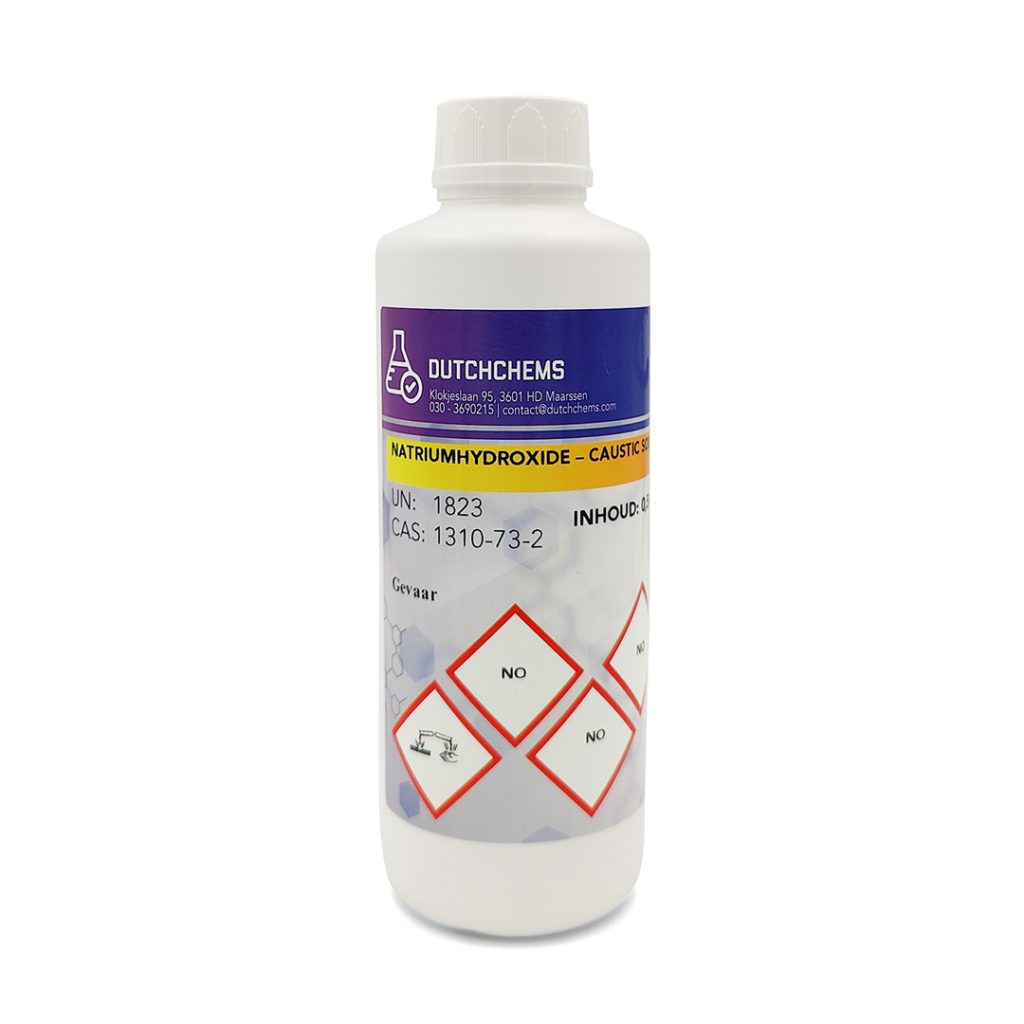
Sodium hydroxide (caustic soda) – Drain unblocker granules
Sodium hydroxide (NaOH) drain unblocker granules. White granules (purity ≥ 99%). Suitable for textile and paper processes, metalworking, and unblocking PVC pipes. Supplied in easy-to-use bottles with child-resistant caps.
Important Safety Instructions
Always wear safety goggles and PVC gloves when working with plunger granules. First, remove as much standing water as possible from the shower. Then sprinkle the recommended amount of granules down the drain (for example, one scoop or about a quarter of the package – always follow the label). Then slowly pour enough hot water, let it work for 30 minutes and then rinse well with plenty of water. Never mix plunger granules with other chemical agents.

Removing odor from the shower drain
Does your shower drain smell bad, even if the water still drains? Then there is often an accumulation of organic dirt in the siphon or pipe, creating a sewer or stale smell. Fortunately, this is usually easy to solve.
What causes that stench?
Organic material (hair, soap residues, skin oils) remains in the siphon. In combination with stagnant water, an unpleasant odor is created. Lime and soap deposits retain this pollution, making it easy for bacteria to multiply. These bacteria provide the typical sewer or rotten air.
Cleaning and flushing
The fastest way to get rid of the smell is to clean the siphon as described above. After that, you can use baking soda and cleaning vinegar . First, sprinkle some baking soda down the drain and then pour vinegar over it. Let this fizz for about 15 minutes and then rinse well with hot water. Do this regularly (for example once a month) to prevent unpleasant odors.
What does the airlock (the siphon) do?
The siphon works like a water seal: a layer of water remains in it that prevents sewage air from the pipe from coming back into your bathroom. If this water disappears due to leakage or evaporation, a sewer smell can suddenly arise. So let some water run down the drain regularly, so that there is always a layer of water in the siphon.
Preventing blockages
Prevention is easier than unclogging. With a few simple habits, you can avoid many problems with a clogged shower drain.
1. Use a hair strainer
Place a fine-mesh strainer over the shower drain. This catches hairs before they disappear into the pipe. Empty the strainer after each shower, so that it does not become a mini clog.
2. Keep the drain clean
Clean the grate and visible parts of the drain weekly. Remove hairs immediately instead of flushing them. The less dirt that goes towards the pipe, the smaller the chance of a real blockage.
3. Flush with hot water
After showering, pour a bucket of hot water down the drain every now and then. This way you rinse away soap residue before it can harden. This is a simple habit that can prevent a lot of misery.
4. Monthly Maintenance
Once a month, sprinkle a tablespoon of baking soda down the drain, then add a splash of vinegar and let it soak for 15 minutes. Rinse with hot water. This helps to prevent deposits and light soiling and keeps the drain fresh for longer.
Frequently Asked Questions (FAQ)
The drain is (partly) blocked by a plug of hair, soap residue and grease. As a result, the water cannot drain quickly enough and accumulates in the shower tray. Sometimes it seems to drain slowly at first, but that gets worse and worse as the blockage grows.
Use a long drain hook, a so-called “drain snake” or clean the siphon. With a metal hook you can pull hairs deeper into the drain. In the event of a stubborn blockage, a special drain spring may be needed to loosen the plug.
First clean the siphon and remove as much dirt as possible. Then pour soda and vinegar down the drain, let it soak in for a while and rinse with hot water. This helps to reduce the odor and make the drain fresher again.
You can often use the same plunger granules or liquid drain cleaner for different drains, as long as you follow the instructions for use. Be careful though: in the shower, it’s usually about hair and soap scum, so a milder, more targeted approach (mechanical + hot water) is often preferable. Rather use chemicals as a last resort.
Finally
A clogged shower drain is irritating, but in many cases easy to solve yourself. Always start with the simple, mechanical steps: remove hair, clean the grid and drain, use the plunger and clean the siphon. This approach is effective and friendly to your pipes.
For really stubborn blockages, you can consider unblocker granules, as long as you are careful with the safety instructions. With a hair strainer, regular cleaning and the occasional soda session, you usually keep your shower drain clean and free of unpleasant odors.
Does it not work despite everything, or does the blockage keep coming back? Then it is wise to call in a professional. They can find out exactly where the problem is and fix it safely, without damaging your drainage system.