









Description
Buy iron sulphate (Iron (II) sulphate, Ferrous sulphate)
Iron sulfate | Buy iron(II) sulfate for professional use? Iron sulfate is an inorganic iron salt often used in gardening , construction, and other technical environments. Our product is available from stock and is of high technical purity. Suitable for material-specific applications on stone and mineral substrates. For example, it is used to remove green deposits and prevent limescale from stone surfaces.
The substance dissolves easily in water, allowing you to remove green deposits and visibly refresh grayed or moisture-damaged surfaces. Application is simple: dissolve it and spray it on, or sprinkle it dry onto the surface. This makes it suitable for patios, paving, facades, and concrete floors where moisture and weather conditions have caused discoloration. It is also suitable for preventing limescale deposits on mineral building materials.
Product Specifications
- Product name: Iron sulfate | Iron(II) sulfate
- Also known as: Ferrous sulfate
- CAS number: 7720-78-7
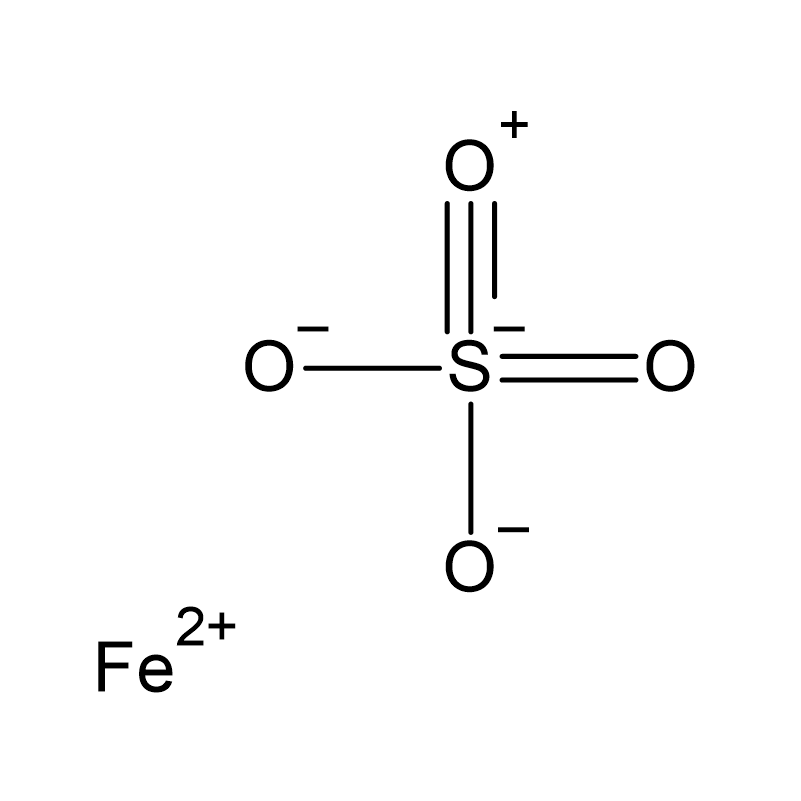
- Chemical formula: FeSO₄
- Purity / Quality: Technical quality, ≥98%
- Form: Solid (powder / crystalline)
- Delivery: Packed in 1 kg pots
- Application: Treatment of stone, concrete and other mineral surfaces
What is Iron Sulfate | Iron(II) Sulfate used for?
In construction and gardens, this iron(II) salt is used for patios, paving, facades, and concrete floors where moisture leads to green deposits or graying. It is a proven treatment for such surfaces.
You dissolve it in water and apply it with a sprayer or watering can, or you sprinkle it dry on the surface and moisten it lightly. It’s a standard choice for removing green deposits from paving stones and garden paths. Regular application also helps prevent limescale buildup on mineral substrates.
In damp or shady areas, discoloration returns more quickly. Apply the treatment more frequently there: ideally once or twice a year, preferably in spring and autumn. This makes it an important part of long-term professional maintenance of outdoor spaces.
Instructions
Application on stone, concrete or other mineral surfaces
Iron sulfate is often used to remove green deposits caused by moisture from surfaces such as patios, paving, facades, or concrete floors. The product is easy to apply and helps visibly brighten gray or green-colored surfaces.
🔹 Dissolved in water (spray or pouring method)
- Dosage : Dissolve 50–100 grams of iron sulphate in 10 litres of water.
- Application : Apply the solution evenly with a pressure sprayer or watering can with a fine spray nozzle.
- Application : Allow the surface to dry; rinsing is usually not necessary.
- Caution : Do not apply in the rain or within 24 hours of precipitation.
🔹 Sprinkle dry on surfaces (for outdoor use only)
- Dosage : Sprinkle 30–50 grams per m² on the dry surface.
- Activation : Lightly mist with water to allow the product to react.
- Preferably use in cloudy weather , with no bright sunshine or rain in the forecast.
- Do not apply on or next to tiles and paving without protection – iron sulphate may cause brown stains
⏱ Application frequency
- For removing deposits or treating stone: 1 to 2 times a year , preferably in spring and autumn .
- Repeat if necessary, depending on the environment (damp or shaded areas may re-discolour more quickly).
Chemical properties
- Density: About 1.9 g/cm³ for the heptahydrate
- Melting point: Heptahydrate decomposes and melts around 56–64 °C, releasing water of crystallization
- Boiling point: Not applicable. The inorganic salt decomposes at higher temperatures rather than boiling.
- Flash point: Not applicable. This inorganic solid is nonflammable.
- Solubility: Freely soluble in water. Approximately 20–25 g per 100 ml of water at room temperature, resulting in a slightly green solution.
Frequently Asked Questions (FAQ)
Can Iron Sulphate be applied with standard pressure sprayers?
Yes, provided it is fully dissolved according to dosage and used on suitable mineral surfaces such as stone and concrete in a professional environment.
How often is treatment against green deposits necessary?
Usually 1 to 2 times a year, preferably in spring and autumn, depending on local humidity, shade and weather conditions.
Does iron sulfate cause stains on tiles or paving?
Direct contact may leave brown stains. Apply only to target surfaces and carefully protect surrounding elements.
Is rinsing after application necessary?
No. Let the surface dry completely for optimal effect.
Does the product help prevent limescale?
Yes. Regular application helps prevent or significantly reduce calcium efflorescence on mineral substrates.
Learn more
For additional information on the chemical properties and uses of Iron Sulfate, please visit: PubChem – Ferrous Sulfate .

Reviews
There are no reviews yet