
From the Blog

Clogged sink? Here’s how to unclog your kitchen drain yourself.

Clogged sink? Here’s how to unclog your kitchen drain yourself.

This article discusses what you can do if your sink is clogged and the water isn’t draining properly. It first explains the most common causes, such as grease buildup, food particles, and soap scum in the kitchen drain. This is followed by a practical step-by-step guide to unclogging your sink, starting with hot water and dish soap, followed by baking soda and vinegar, the plunger, cleaning the trap, and possibly a drain snake. You’ll also read about what to avoid, such as using coffee grounds or excessive chemicals. Then, it explains when drain cleaner granules are an option and how to use them safely. The article concludes with clear prevention tips to prevent future blockages and a brief overview of frequently asked questions, so you know when you can solve the problem yourself and when it’s wise to call a plumber.

Read More

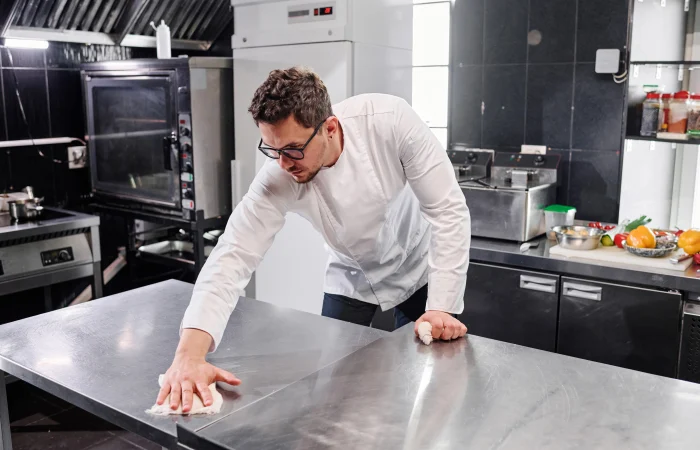
How to Clean Stainless Steel Without Scratches

How to Clean Stainless Steel Without Scratches

This article explains how to clean stainless steel without scratching it using gentle, effective methods. It highlights safe cleaning products like microfiber cloths and mild products like warm water and dish soap, isopropyl alcohol for stubborn grease, white vinegar for natural cleaning, and baking soda for stubborn stains. It also offers tips for adding shine with light oils and cautions against harsh scouring pads or chemicals. With these simple steps, stainless steel will stay clean, shiny, and scratch-free.

Read More

Extending the life of wooden furniture indoors

Extending the life of wooden furniture indoors

Wooden furniture will remain beautiful for years with simple maintenance. Protect it from moisture, sunlight, dust, heat, and everyday scratches. Maintain indoor humidity, keep furniture away from damp areas, and clean it regularly with a soft cloth. Protective finishes like wax, varnish, or oil help prevent damage. Boiled linseed oil is particularly effective because it nourishes the wood and dries quickly. With regular cleaning, inspection, and a good finish, your wooden furniture will remain strong, shiny, and long-lasting.

Read More

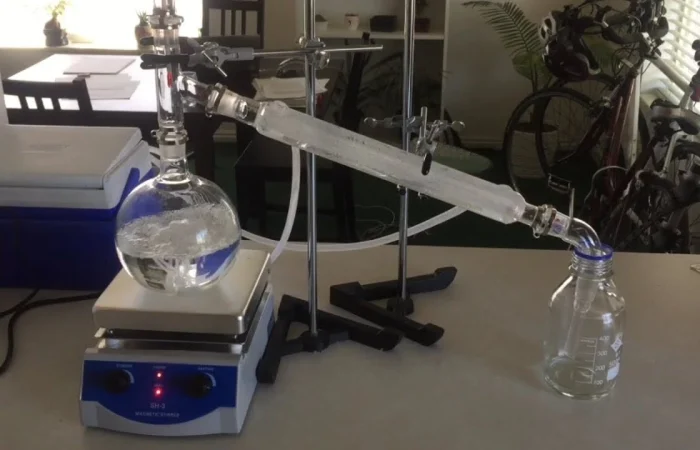
Why Ethanol Cannot Be Distilled Above 96%

Why Ethanol Cannot Be Distilled Above 96%

Ethanol cannot be distilled above 95-96% ethanol because it forms an azeotrope with water. At this point, the liquid and vapor have the same composition, making distillation impossible to separate. Even with higher heat, the purity will not increase. Industries requiring near-100% ethanol use additional drying methods such as molecular sieves, special distillation with added chemicals, or vacuum distillation. These techniques break the azeotrope and produce anhydrous ethanol for chemical, industrial, and laboratory use.

Read More

The role of isopropyl alcohol in industrial cleaning processes

The role of isopropyl alcohol in industrial cleaning processes

Isopropyl alcohol (IPA) is widely used in industry because it cleans quickly, evaporates quickly, and leaves no residue. It dissolves oil, dirt, adhesives, and flux, making it ideal for electronics, metalworking, laboratories, and manufacturing. IPA is safe for most plastics and metals and helps prevent corrosion or short circuits in electronic components. It is also used as a surface cleaner before coating or painting. While effective, IPA is intended for technical use only and should never be consumed.

Read More

What is CLP? Explanation of hazard classification and labeling of chemical substances

What is CLP? Explanation of hazard classification and labeling of chemical substances

This article explains the CLP Regulation and how chemicals must be correctly classified and labeled according to European legislation. It covers the three hazard classes, the nine mandatory CLP hazard symbols, the use of H, P, and EUH phrases, and the labeling requirements, including the signal word, UFI code, and CAS and UN numbers. It also explains who is responsible for classification and how CLP relates to REACH and SDSs. Practical examples, a sample label, and a comprehensive FAQ make this article useful for anyone working with chemical products.

Read More

Safe Handling of Chemicals: Legislation, Labeling and Transport

Safe Handling of Chemicals: Legislation, Labeling and Transport

The article “Working Safely with Chemicals: An Introduction to REACH, CLP, and ADR” provides an overview of the key European regulations on chemical safety. It explains why REACH (registration and risk assessment), CLP (classification and labeling), and ADR (transport of hazardous substances) are essential for companies working with chemicals. It also emphasizes the responsibility of users and suppliers to work safely, use correct labels, and arrange transport in accordance with legislation. The article serves as a starting point for a broader knowledge series.

Read More

Denatured alcohol – what is it and why is it used?

Denatured alcohol – what is it and why is it used?

Denatured alcohol is regular ethanol that producers intentionally make undrinkable by adding substances such as isopropanol (IPA), methyl ethyl ketone (MEK), Bitrex, or methanol. These additives make the alcohol bitter, unpleasant, or toxic, so no one can drink it and no excise duty has to be paid. This keeps ethanol affordable and available for technical applications, such as cleaning, degreasing, cleaning electronics, as a solvent in laboratories and industry, and as a fuel for methylated spirits.
Chemically the effect remains the same, but due to denaturing the alcohol falls outside the liquor laws.
This article explains how and why ethanol is denatured, which substances are used for this process, and what you can safely use this alcohol for—from household use to professional laboratory work.

Read More

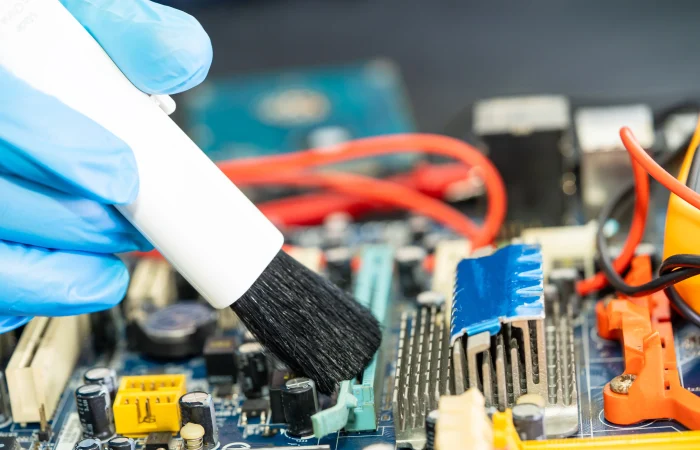
Cleaning electronics: safely clean your laptop, keyboard and circuit board

Cleaning electronics: safely clean your laptop, keyboard and circuit board

Cleaning a laptop, keyboard, or circuit board doesn’t have to be complicated. By regularly dusting your electronics and safely removing grease or dirt, you extend their lifespan and prevent malfunctions. Always handle with care: unplug the power, use compressed air or a soft brush for dust, and use a residue-free solvent like isopropyl alcohol for stubborn dirt or grease. This way, you’ll keep your laptop, keyboard, and circuit board in top condition.

Read More