








Description
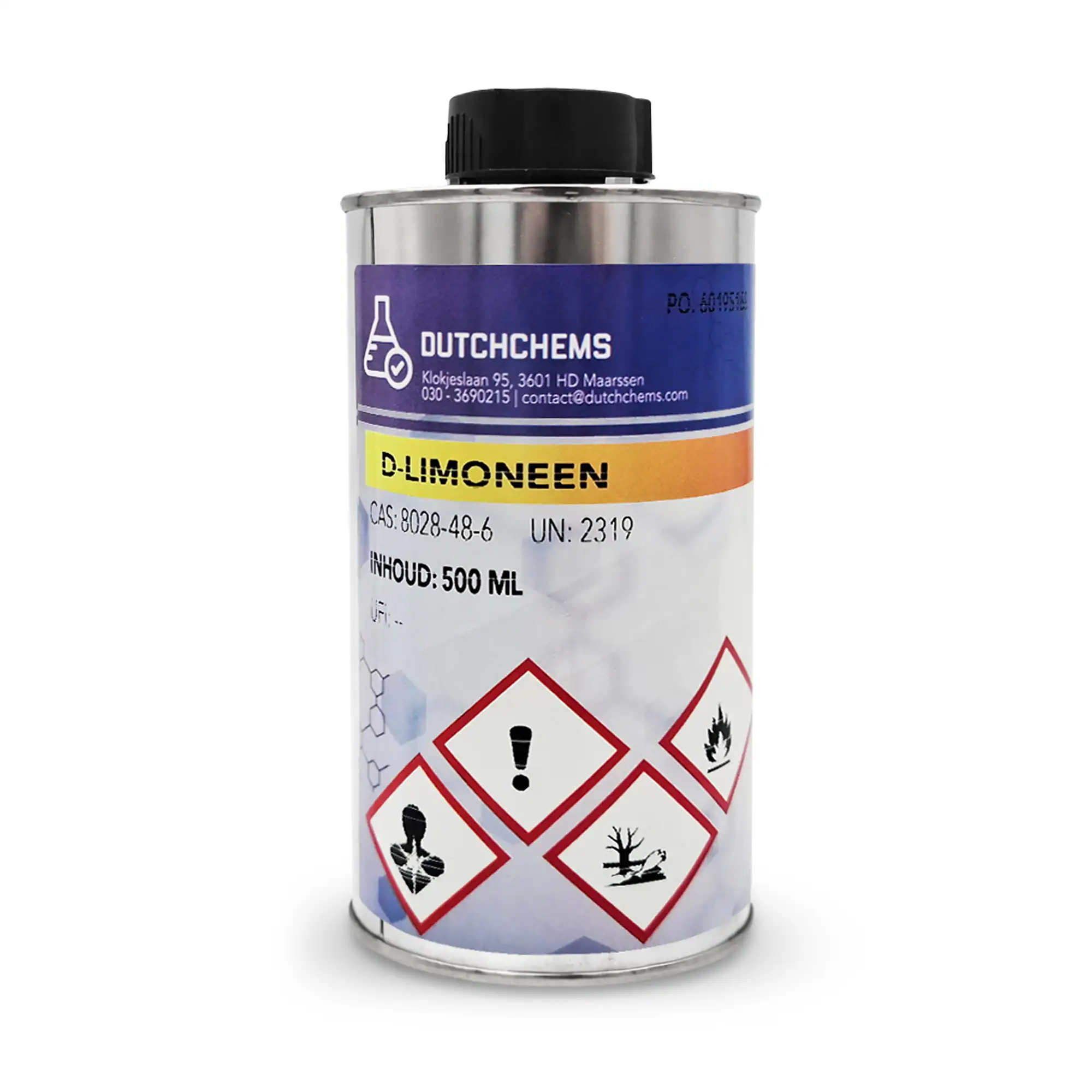
Buy D-limonene (Orange terpene, Citrus terpene)
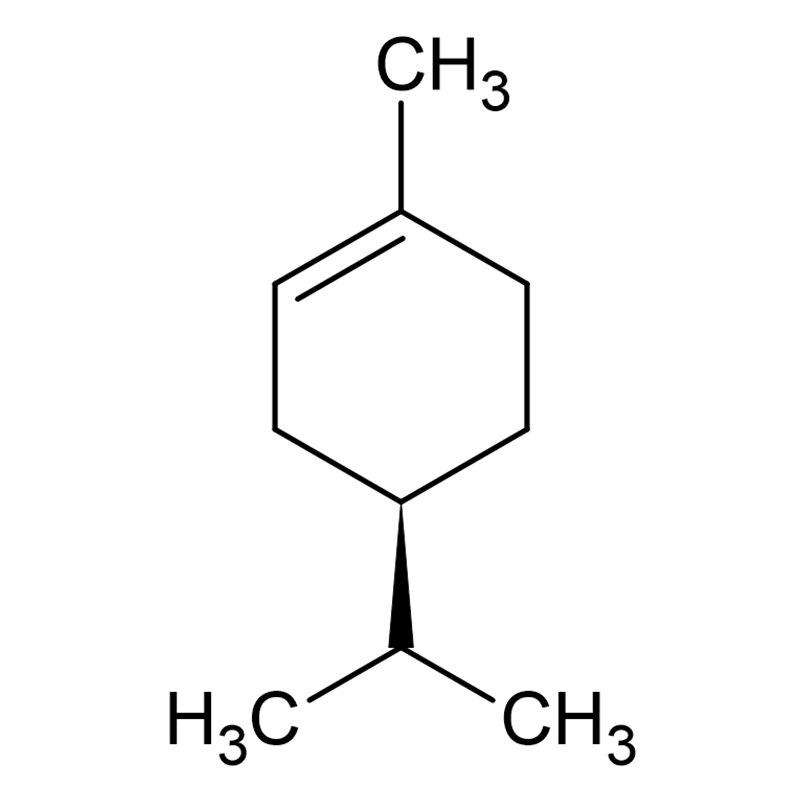
Looking to buy D-limonene for professional use? D-limonene is a natural, cyclic monoterpene (C₁₀H₁₆) extracted from citrus oils and occurs as a colorless to pale yellow liquid with a characteristic citrus odor. It is hydrophobic and primarily used as an organic solvent. Due to its strong solvency for greases, resins, and oils, this terpene is used in industrial cleaning, technical processes, and workshop environments. Its use is focused on materials and processes.
Product Specifications
- Product name: D-limonene
- Also known as: Orange terpene, Citrus terpene
- CAS number: 8028-48-6
- Chemical formula: C₁₀H₁₆
- Purity/Quality: Technical quality
- Form (liquid / powder / granules): Liquid
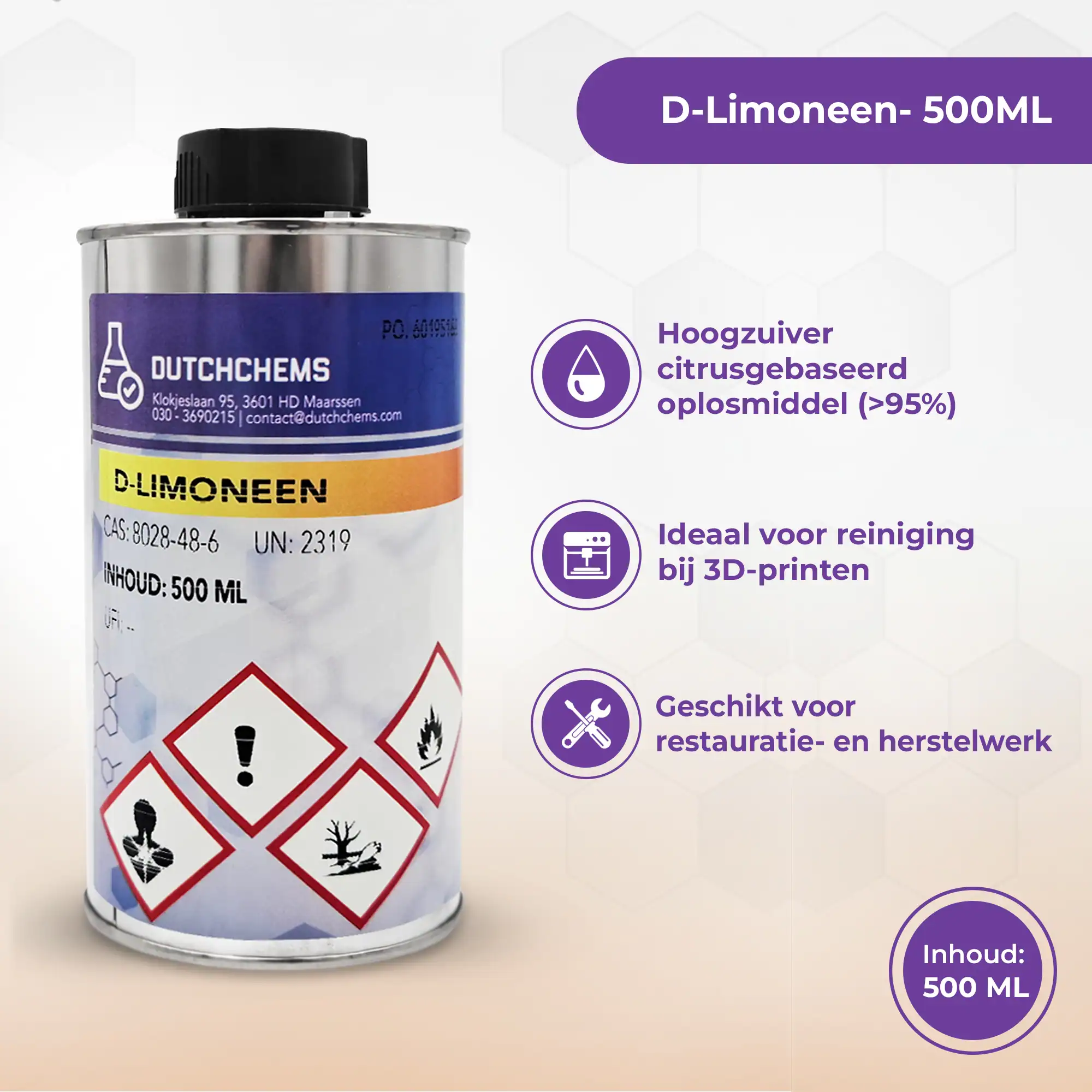
- Application: Solvent for greases, resins and oils in technical and workshop applications.
What is D-Limonene used for?
D-limonene is widely used as a technical citrus solvent in situations where grease, resins, and adhesives must be removed without the use of aggressive petroleum solvents. Its natural solvent properties make it suitable for material-specific cleaning in workshops, maintenance areas, and technical workshops.
A common application is removing adhesive, tape, and sticker residue from glass, metal, plastics, and painted surfaces. D-limonene penetrates the adhesive layer and weakens the bond, allowing residue to be easily removed mechanically without damaging the underlying material.
In painting studios, sign makers, and creative workshops, it’s used to remove fresh or semi-cured paint, varnish, and ink residue from tools, sieves, spatulas, and work surfaces. It’s also used as an alternative to traditional solvents for cleaning brushes and rollers that have been used with solvent-based products.
D-limonene is also used to dissolve natural resins and certain synthetic binders. This makes it useful for restoration work, woodworking, and technical cleaning of resin-contaminated surfaces and machinery.
Chemical properties
- Density: approx. 0.84 g/cm³ (20 °C)
- Melting point: approx. −74 °C
- Boiling point: approx. 176 °C
- Flash point: approx. 47–48 °C
- Solubility:
- In water: very slightly soluble
- In organic solvents: readily soluble in alcohols, aromatics and other terpenes
Storage and use
Store in a tightly closed container in a cool, dry, and well-ventilated place. Protect from heat sources and direct sunlight. Keep away from strong oxidizing agents. Use only in professional environments with adequate ventilation and appropriate personal protective equipment.
Health and Safety
Danger




Hazard statements (H phrases)
- H411: Toxic to aquatic life with long lasting effects
- H304: May be fatal if swallowed and enters airways.
- H226: Flammable liquid and vapour.
- H315: Causes skin irritation.
- H317: May cause an allergic skin reaction.
Precautionary measures (P-phrases)
- P210: Keep away from heat, sparks, open flames or hot surfaces. Do not smoke.
- P264: Wash thoroughly after handling this product.
- P280: Wear protective gloves/Protective clothing/Respiratory protection/Eye protection/Protective footwear.
- P301+P310: IF SWALLOWED: Immediately call a POISON CENTER/doctor.
- P302+P352: IF ON SKIN: Wash with plenty of water.
- P370+P378: In case of fire: Use Foam extinguisher (AB), Dry chemical extinguisher (ABC), Carbon dioxide extinguisher (BC) to extinguish.
- P403+P235: Store in a well-ventilated place. Keep cool.
- P501: Dispose of contents/container in accordance with hazardous waste or packaging or packaging waste directive.
Frequently Asked Questions (FAQ)
What is D-limonene most commonly used for?
D-limonene is primarily used as a technical solvent for removing grease, oil, resins, and adhesive residues. It is used in workshops, maintenance environments, painting studios, and for technical cleaning.
Is D-limonene suitable for removing glue and sticker residue ?
Yes, it is widely used to loosen glue, tape and sticker residue from surfaces such as glass, metal, plastic and painted materials. Always test on an inconspicuous spot first.
Can D-limonene be used in painting and restoration work?
It is used to clean tools and work surfaces that have come into contact with paint, varnish, ink, or resins. It is also used in restoration and woodworking projects where gentle yet effective cleaning is required.
Is D-limonene a replacement for traditional solvents?
In many materials-related applications, it can serve as an alternative to petroleum-based solvents. Suitability depends on the type of contamination, the material, and the process conditions.
What should I pay attention to when using D-limonene?
Use only in well-ventilated areas and avoid prolonged skin contact. Store the product tightly closed and away from ignition sources.
Learn more
For additional information on the chemical properties and applications of D-Limonene, please refer to the following source: PubChem – D-Limonene


Reviews
There are no reviews yet