




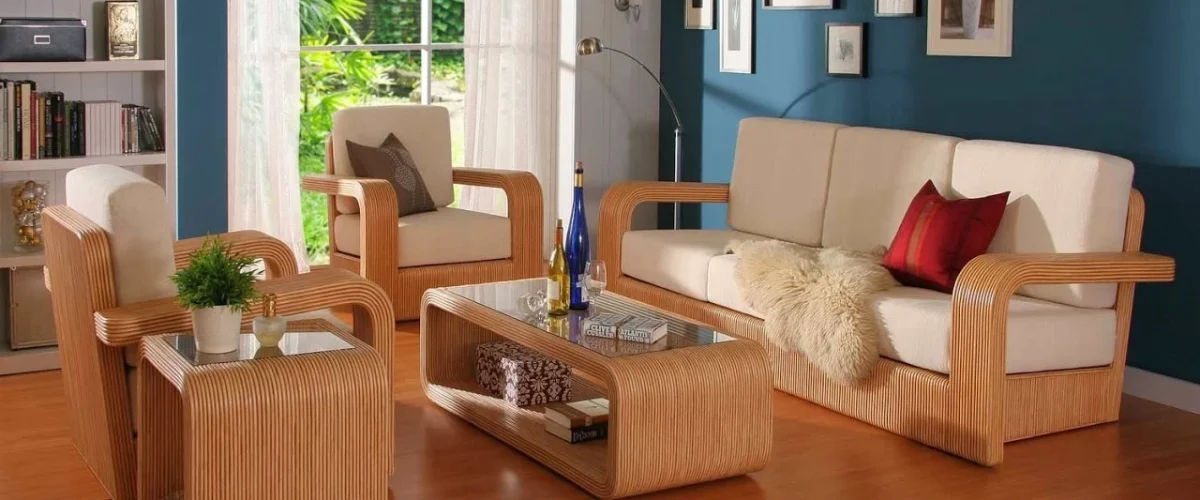
Wooden furniture adds warmth and character to your home, but it requires proper care to stay beautiful. Because wood is a living, natural material, it reacts to moisture, heat, sunlight, and daily use. With simple maintenance and the right protective finish, you can keep your furniture beautiful and durable for decades. In this guide, you’ll learn practical maintenance methods and discover natural treatments .
1. Protection against moisture: Why moisture is the biggest enemy of wood
Wood feels solid, but behaves almost like a living material. It absorbs moisture from the air and releases it. If the humidity becomes too high or too low, the wood begins to react. Over time, this can lead to:
- Warps (bends or changes shape)
- Expanding or shrinking
- Mold formation shows
- Over time it will rot
The good news? With a few simple habits, you can easily keep moisture under control.
Keep the indoor climate comfortable
Just like people, wood thrives in a balanced environment. Aim for a humidity level between 40–55%.
- Use a dehumidifier in damp rooms or a humidifier in dry climates.
Avoid placing wooden furniture near poorly ventilated kitchens, bathrooms, or basements. This will keep your furniture stable, strong, and in good shape.
Use protective finishes.
A good finish acts as a shield and prevents the wood from absorbing water . Some of the most reliable protective finishes include:
● Natural oils (boiled linseed oil)
● Was
● Polyurethane
● Varnish
Checking regularly and reapplying these layers every now and then will keep moisture out and extend the life of your wooden furniture.
2. Common Threats to Indoor Wood
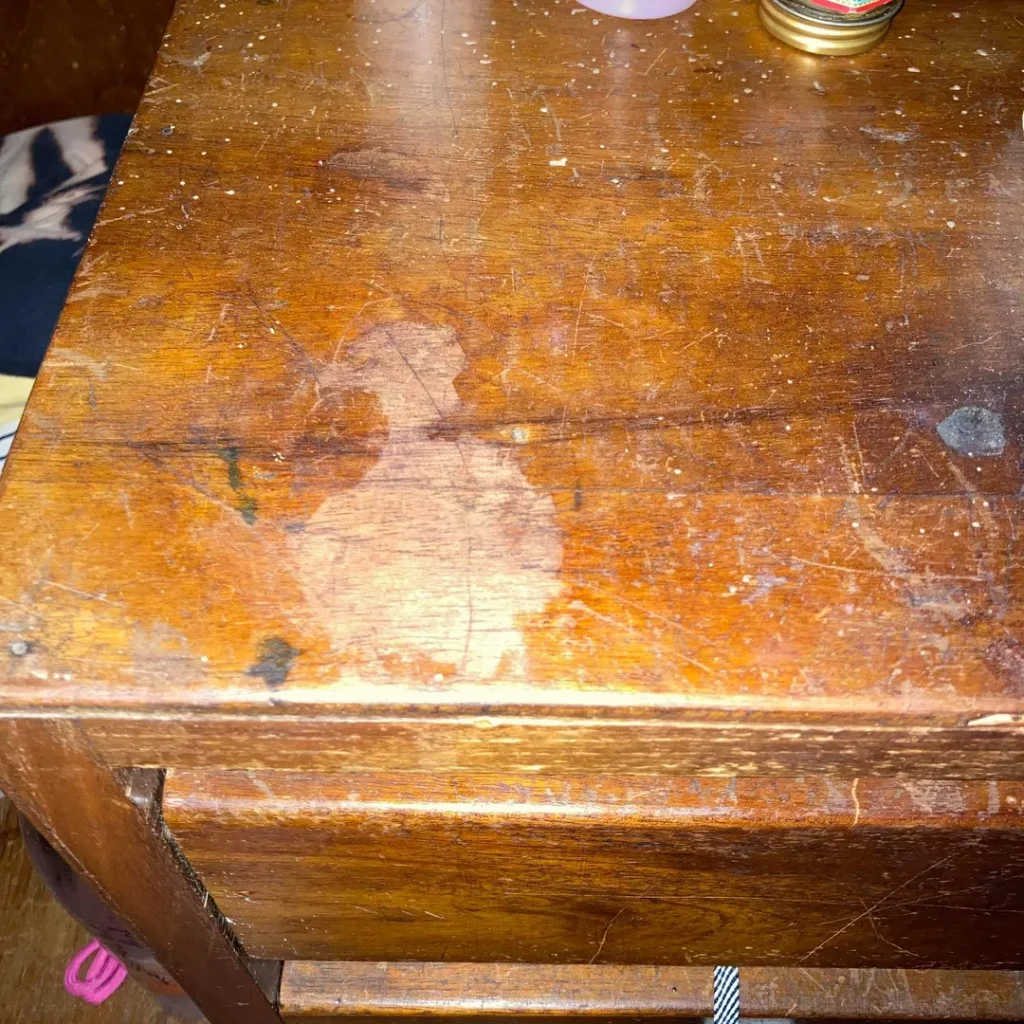
Even indoors, wooden furniture is exposed to various hazards every day. By being aware of these hazards, you can prevent damage before it becomes visible:
Dust
Dust may seem harmless, but it can dull the surface and cause microscopic scratches over time.
UV exposure
Constant exposure to sunlight can fade the color of the wood, weaken the finish, and dry out the surface.
Temperature fluctuations
Rapid cooling or heating causes wood to expand or contract, which can lead to cracking.
Daily use
Scratches, stains and dents from daily use slowly affect the lifespan and appearance of the wood.
Solution: Protect wood with strategic placement, covers, and regular cleaning.
3. Regular Maintenance: Simple Habits for a Longer Life
Good maintenance doesn’t have to be complicated. Small, consistent habits make a big difference.
To clean
● Use a soft, dry or slightly damp cloth.
● Avoid using aggressive cleaning agents or soaking the wood.
● For more thorough cleaning, use mild soap diluted with water and dry immediately afterwards.
Weekly dust removal
● Dust once or twice a week with microfiber cloths.
● Avoid rough cloths that may scratch the surface.
Inspection routine
Check your wooden furniture every few months for:
● Cracks
● Loose connections
● Faded finish
● Dry or rough spots
● Water rings or stains
Detecting problems early makes repairs easier and more effective. Basic tips for maintaining wooden furniture
4. Protective Finishes & Why Boiled Linseed Oil Stands Out
Finishing isn’t just aesthetic; it protects the wood surface, repels moisture, reduces wear, and accentuates the natural grain. This helps keep your furniture strong and beautiful. These protective layers:
Why Boiled Linseed Oil Is Excellent for Wood
Boiled linseed oil , extracted from linseed, has been used for centuries because it deeply nourishes wood. Unlike raw linseed oil, boiled linseed oil dries much faster and leaves a rich, warm sheen.
5. Other commonly used wood care products
In addition to boiled linseed oil, these products also help maintain wooden furniture:
- Furniture polish or wax
Provides gloss and surface protection, ideal for finished wood types. - Wood conditioner
Helps maintain the moisture balance in the wood and reduces dehydration. - Varnish or polyurethane
Provides a hard, durable, water-resistant finish for heavily used furniture. - Furniture oils
Nourishes the wood and reduces dryness. - Wood sealers
Protect against spills, stains and light moisture.
These products can be used individually or in combination, depending on the needs of the furniture.
6. Tips for applying boiled linseed oil
For best results, follow these simple steps:

- Preparation
● Clean the surface thoroughly.
● Remove any dust or old layers of polish.
● Lightly sand rough spots with fine sandpaper (optional). - Apply a thin layer
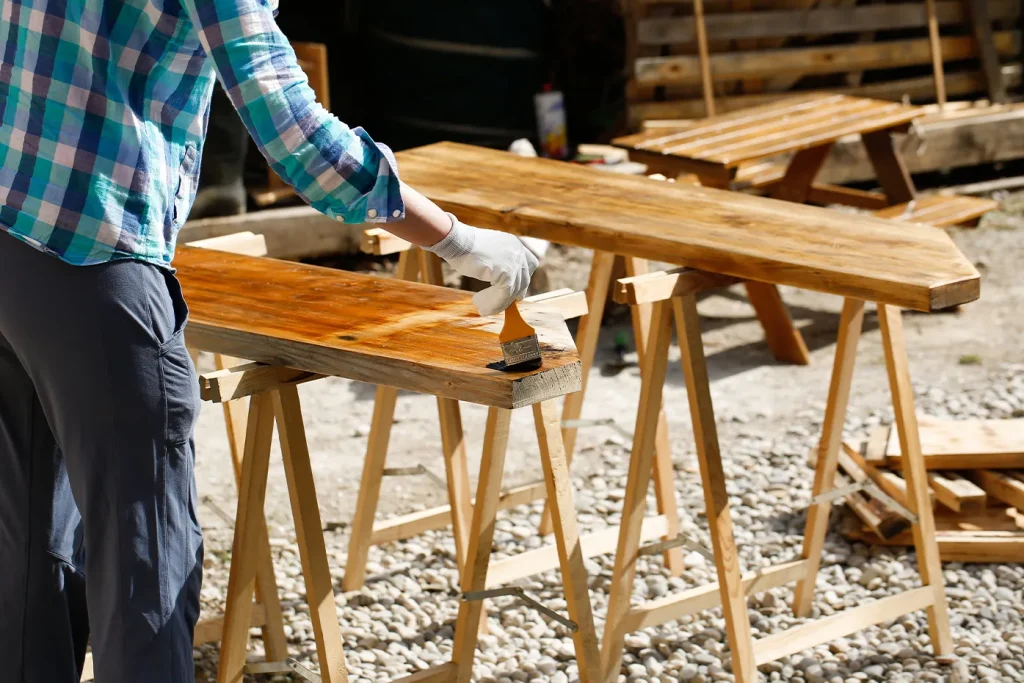
● Use a clean cloth or soft brush.
● Spread the oil evenly in the direction of the wood grain. - Allow to dry sufficiently
● Allow each layer to dry naturally.
● Drying usually takes several hours, depending on ventilation and humidity. - Wipe off excess oil
After 15–20 minutes, remove excess oil to avoid a sticky surface. - Work in a well-ventilated area
Good air circulation helps the oil to harden safely and properly. - Repeat if necessary
● For old or very dry wood: 2–3 coats.
● For regular maintenance: 1 coat every 6–12 months.
7. Safety and environmental considerations
When using wood treatment oil, keep the following in mind:
Ventilation
Always work in a well-ventilated area for safe drying.
Storage of canvases
Oil-soaked cloths can naturally heat up and even catch fire.
To avoid risks:
● Lay them flat to dry completely, or
● Store them in a sealed metal container with water until you discard them.
Environmentally friendly benefits
Boiled linseed oil is a natural, plant-based product and has a lower environmental impact than many synthetic coatings. It’s a good choice for those who value environmentally conscious home care.
Final thoughts
Extending the lifespan of wooden furniture indoors is all about consistency. By protecting furniture from moisture, sunlight, dust, and temperature fluctuations, and by using the right oils and finishes, you can preserve wooden pieces for years to come. Natural products like boiled linseed oil offer beauty and protection while keeping your home safe and environmentally friendly.