
From the Blog

Calculate molarity – online calculator

Calculate molarity – online calculator

Molarity is a measure of the concentration of a solute and is calculated by dividing the number of moles by the volume of the solution in liters. For an accurate calculation, knowledge of the number of moles and the exact volume of the solution is essential. Molarity is expressed in moles per liter (mol/L). This article provides a step-by-step guide to calculating molarity, including conversions from milliliters and centiliters to liters, and a handy online molarity calculator. The example shows that with 1 mole of substance dissolved in 1 liter of solution, the molarity is 1.00 mol/L.

Read More

Convert grams to moles calculator

Convert grams to moles calculator

The Mole is an essential unit in chemistry that bridges the gap between the microscopic world of atoms and molecules and our macroscopic reality. It represents 6.022×10^23 particles of a substance, based on the number of carbon atoms in 12 grams of pure carbon-12. The article explains step-by-step how to calculate the molecular mass of a substance, using sodium hydroxide as an example, and then how to convert this mass to Mole. With a molecular mass of 39.997 u for sodium hydroxide, it shows how 100 grams of this substance can be converted into 2.50 Mole. A handy Mole calculator is provided to facilitate these calculations, along with tips for performing these calculations and calculating the molarity of a solution.

Read More

Rinse with hydrogen peroxide

Rinse with hydrogen peroxide

The information in this article concerns only ready-to-use hydrogen peroxide mouthwash (max. 3%) as available at drugstores; Dutchchems only sells technical hydrogen peroxide for industrial and laboratory applications and not for oral care or other cosmetic or medical purposes, and this article is for information purposes only.

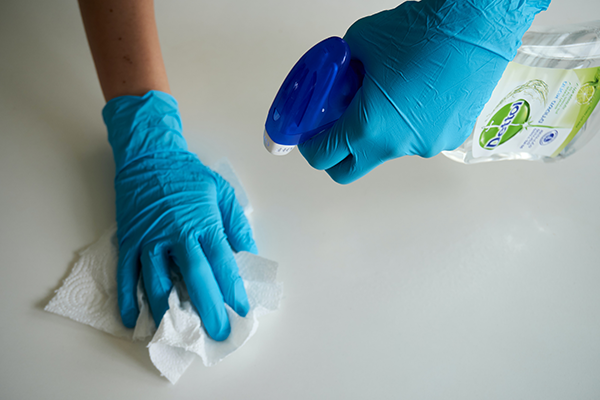
Hydrogen peroxide is a colourless oxidiser used in low concentrations in consumer applications such as mouthwash and in higher concentrations for technical processes where it uses oxygen radicals to break down dyes and visible soil on hard surfaces, textiles or in drains; safe use always requires gloves, eye protection, good ventilation and avoidance of mixing with chlorine bleaches to prevent hazardous fumes.

Read More

What’s in a first aid kit?

What’s in a first aid kit?

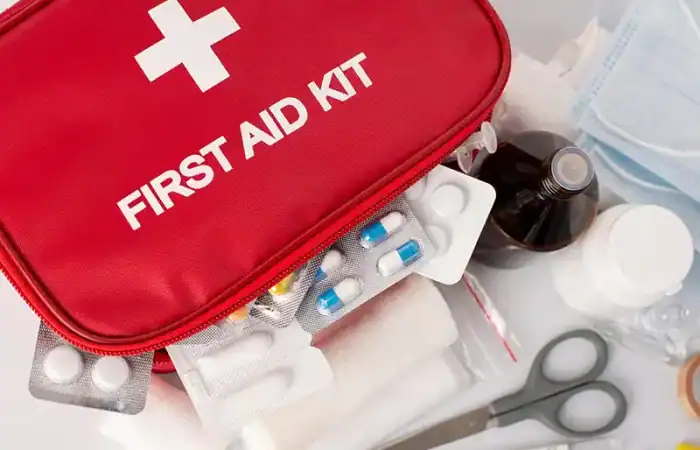
A first aid kit is essential for providing first aid in case of accidents at home, at work, during travel or sporting activities. A basic first aid kit contains plasters, bandages, disinfectants, instruments such as scissors and tweezers, protective equipment such as gloves, and essential medications including painkillers and anti-allergy medications. It is important to personalize the kit to personal or specific needs and check it regularly for expired products. A well-equipped first aid kit, combined with knowledge of how to use it, can be crucial in emergency situations.

Read More

Aquarium fertilization calculator

Aquarium fertilization calculator

Effective NPK fertilization in the aquarium is essential for the health of plants and fish. By using a basic test set, you can regularly check the water values ​​and accurately dose the required nutrients. The ideal nitrate level is between 10 and 25ppm. Dosage adjustments are dependent on measured values, with a divided schedule over several days recommended for stability. If nitrate levels are too high, often caused by overfeeding or insufficient water changes, changing the water is the only solution. Regular monitoring and adjustment of water quality support a healthy aquarium ecosystem.

Read More

Chemicals | Wholesaler and Supplier

Chemicals | Wholesaler and Supplier

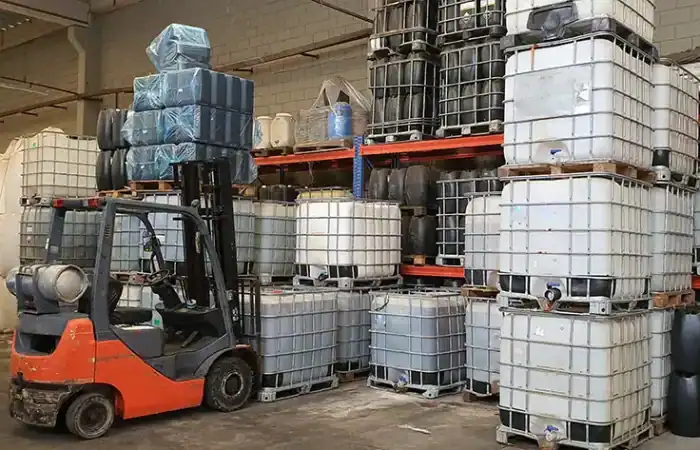
As a leading wholesaler, DutchChems offers a wide range of chemicals, suitable for both large and small projects. The company stands for quality, safety and compliance with strict regulations, while catering to a diverse customer base. With more than 200 products, including acids, bases, metals and organic compounds, DutchChems meets the needs of industry, education and research. The emphasis is on safe and sustainable use of chemicals, supported by expert advice and an informative helpdesk. DutchChems strives for innovation and safety in the chemical sector.

Read More

Antifreeze | Types, Applications and Misconceptions

Antifreeze | Types, Applications and Misconceptions

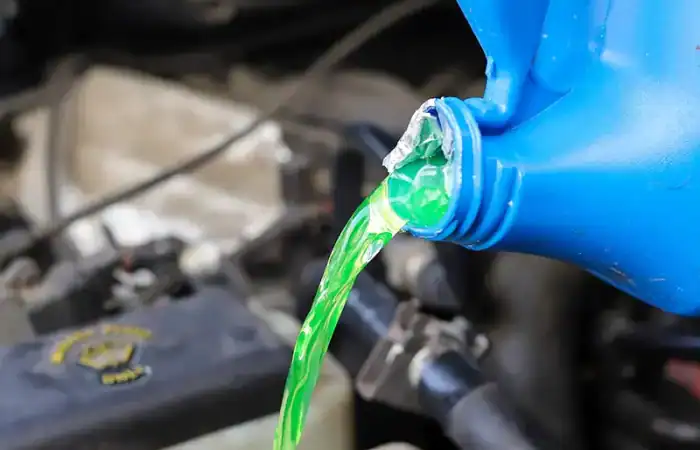
This article delves into the essential world of antifreeze, highlighting the various types such as ethylene glycol and propylene glycol, and their specific applications in vehicle cooling systems and beyond. It emphasizes the importance of antifreeze in both hot and cold climates, and not just as protection against freezing. In addition, the article addresses common misconceptions such as the interchangeability of antifreeze products and the need for regular replacement to ensure optimal performance. The article concludes with the importance of safe use and environmental impacts of antifreeze, promoting awareness and responsibility among the reader.

Read More

Nail Polish Remover | With or without Acetone

Nail Polish Remover | With or without Acetone

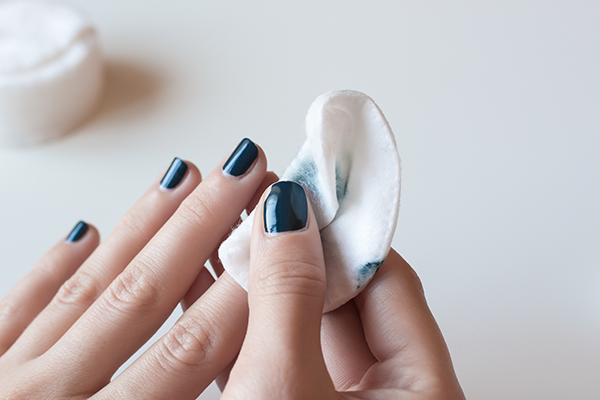
This summary discusses the two main solvent categories used in nail polish remover formulations, acetone, which evaporates quickly but can dry out keratin-containing substrates, and milder, acetone-free esters such as ethyl or isopropyl acetate; it also discusses how additives such as fatty alcohols can reduce drying out, why good ventilation is necessary when working with volatile organic compounds, and how formulators balance dissolution speed with material friendliness. Dutchchems only supplies technical solvents as raw materials, including acetone and ethyl acetate, and does not sell ready-to-use nail polish removers for cosmetic use; this article is intended solely as general chemical information and not as instructions for use. Please note that this product is a chemical raw material and not a biocide, applications are reserved for professional users only and are their own responsibility, Dutchchems makes no claims or guarantees about its effectiveness in specific situations.

Read More

Safety Classes in Safety Boots: Choose the Right Protection

Safety Classes in Safety Boots: Choose the Right Protection

Safety boots are essential for workplace protection in sectors such as construction and industry. They are categorized into safety classes such as S1 for basic protection, S2 for humid conditions, to S5 for industrial applications. The choice of boot must take into account specific work risks and comfort. It is crucial to choose quality boots that meet the right standards. DutchChems offers high-quality S5 safety boots that provide protection against various hazards. Safety in the workplace is of great importance.

Read More

Personal Protective Equipment (PPE) in the Workplace

Personal Protective Equipment (PPE) in the Workplace

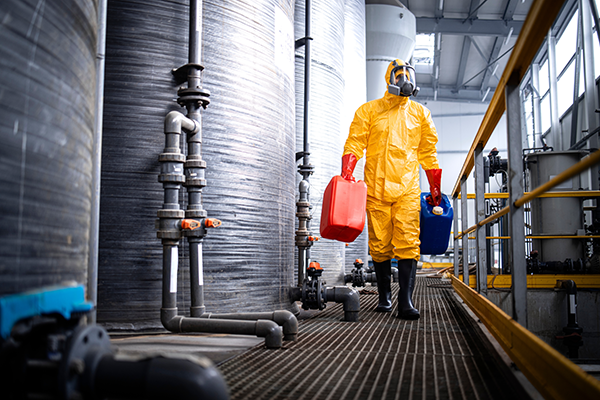
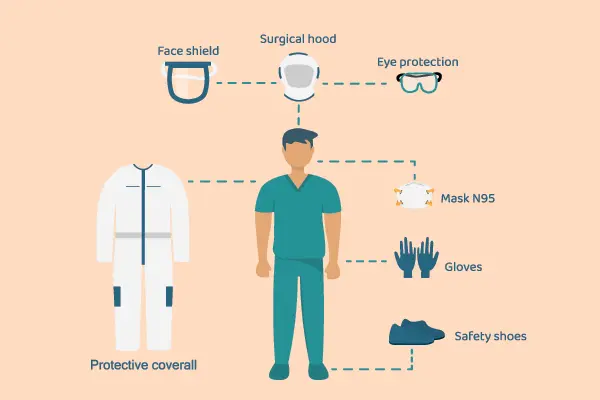
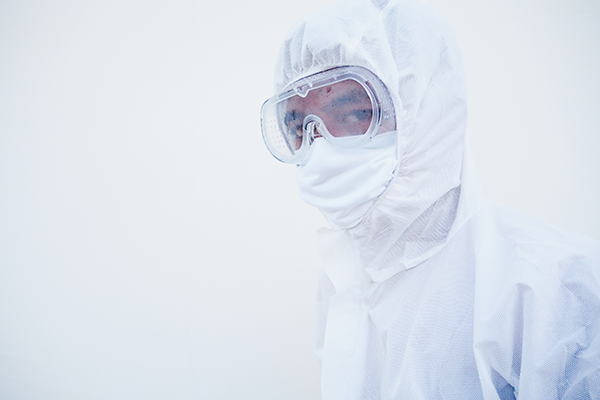
Personal Protective Equipment (PPE) is essential for worker safety. They protect against physical, chemical, biological and ergonomic risks. PPE ranges from simple accessories to technological devices, depending on the work risk. They are categorized from category 1 (minimal risks) to category 3 (life-threatening risks), with specific agents for body parts such as head, eyes, and feet. Employers are legally required to provide PPE and employees must use it correctly. The correct use of PPE ensures a safe working environment for everyone.

Read More