















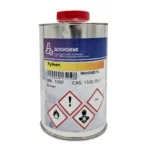


Buy Xylene 99% (Dimethylbenzene, Xylol)
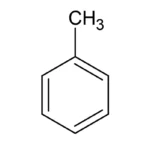
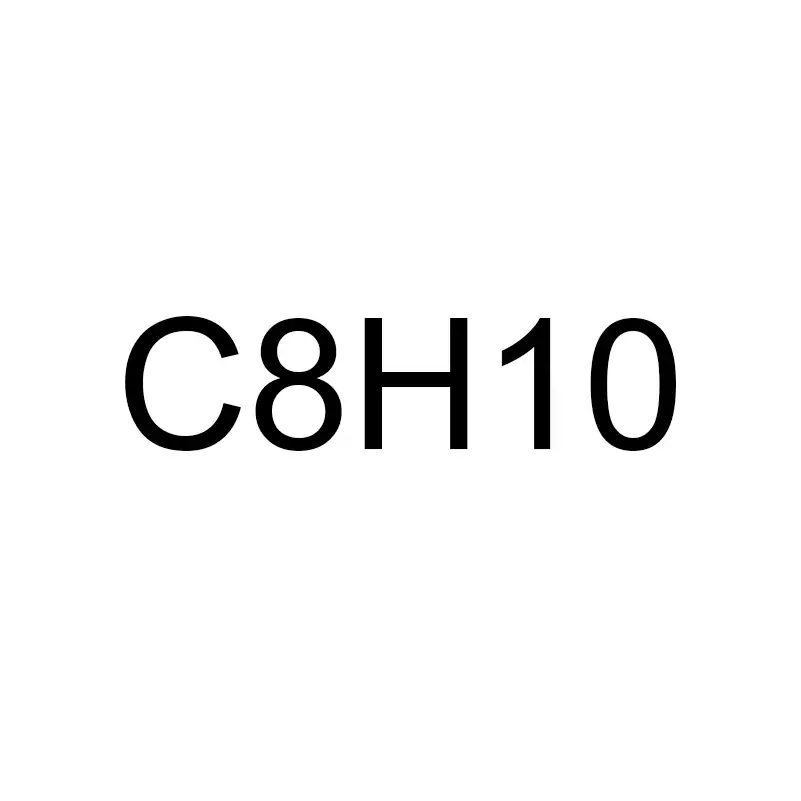
Xylene, also known as Xylol and dimethylbenzene, is an aromatic hydrocarbon with formula: C₆H₄(CH₃)₂. It consists of a mixture of three isomers: orthoxylene, metaxylene and paraxylene, which differ in the placement of the two methyl groups on the benzene ring. Xylene is a colorless, flammable liquid with a distinctive odor and is mainly extracted from petroleum or coal tar.
Product specifications
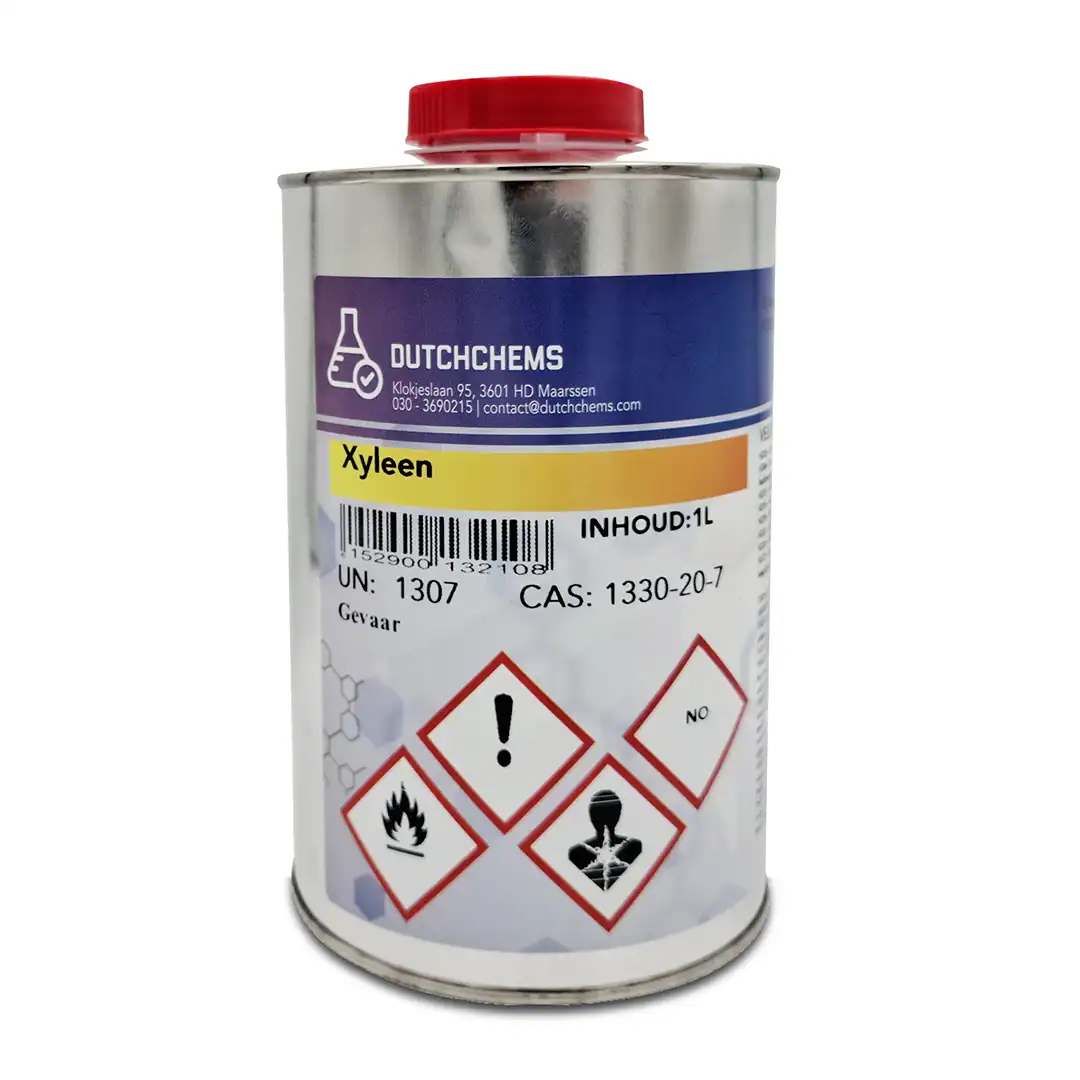
- Product Name: Xylene
- Also Known As: Dimethylbenzene, xylol
- CAS Number: 1330-20-7
- Chemical formula: C₆H₄(CH₃)₂
- Purity/Quality: Technical quality
- Shape: Liquid
- Delivery: Directly from stock, fast shipping
- Application: Material-oriented applications within the painting industry, industrial and laboratory environments
What is Xylene used for?
Xylene is mainly used as a solvent for organic substances, such as resins, paints, coatings, adhesives, greases and oils. Within the painting and coatings industry , it is used as a thinner, making paint and varnish systems easier to process and can be applied and dried evenly.
In addition, it is used for material-oriented cleaning and degreasing in laboratories and industrial processes. Due to its good grease and oil removal properties, it is used in the maintenance of machines, tools and technical installations.
Within the chemical industry , xylene serves as a raw material or adjuvant in various production processes, including the synthesis of other chemicals such as terephthalic acid, an important building block for the production of polyethylene terephthalate (PET).
In specific industrial applications, xylene can also be used as fuel additive, where it contributes to increasing the octane rating. This use is less common and limited to specialized processes.
Use depends on the application and is the responsibility of the professional user.
Chemical properties
Xylene is a colourless, aromatic liquid consisting of a mixture of ortho-, meta- and para-isomers. It is moderately soluble in water and highly soluble in many organic solvents. The substance is flammable and evaporates more slowly than lighter solvents, which is relevant for processing and application.
Storage and use
Keep the product cool, well ventilated and in suitable, tightly closed containers. Keep it away from heat, sparks and open flames. Use only with appropriate personal protective equipment and in accordance with applicable safety procedures.
Health and Safety
Danger
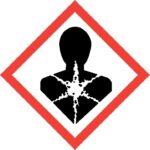
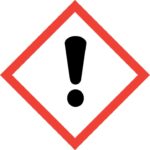
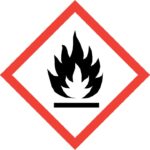
Hazard statements (H-statements)
- H226: Flammable liquid and vapour.
- H304: May be fatal if swallowed and enters airways.
- H312+H332: Harmful in contact with skin and if inhaled.
- H315: Causes skin irritation.
- H319: Causes serious eye irritation.
- H335: May cause respiratory irritation.
- H373: May cause damage to organs through prolonged or repeated exposure.
Precautionary statements (P-statements)
- P210: Keep away from heat, sparks, open flames or hot surfaces. No smoking.
- P260: Do not breathe mist/vapours/spray.
- P301+P310: IF SWALLOWED: Immediately call a POISON CENTER.
- P302+P352: IF ON SKIN: Wash with plenty of soap and water.
- P331: DO NOT induce vomiting.
FREQUENTLY ASKED QUESTIONS – FAQ
Is Xylene Toxic?
Yes, the substance can be toxic by inhalation, ingestion or skin contact in high concentrations. Exposure to fumes can cause dizziness, headache, nausea and irritation of the eyes, skin and respiratory tract. Long-term exposure may have more serious effects on the nervous system, liver and kidneys.
In which products is Xylene commonly found?
It is often found in paints, lacquers, coatings, glues and thinners because of its excellent dissolving properties, as well as in cleaning agents and laboratory chemicals for technical maintenance.
Is Xylene Dangerous?
It can be dangerous if used incorrectly or exposed for long periods of time. It is highly flammable, and inhalation of its vapors can have harmful effects on health. Direct contact with xylene can cause skin irritation, and prolonged exposure can lead to more serious health problems. It is therefore important to take safety measures, such as wearing gloves, An safety goggles and dust mask, and work in a well-ventilated environment.
Reviews
Clear filtersThere are no reviews yet.