




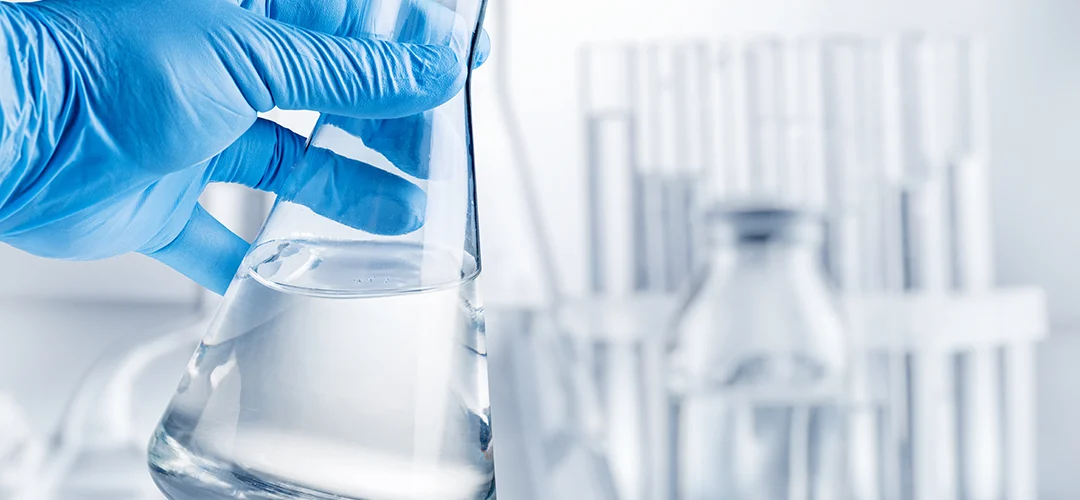
Denatured alcohol is ethanol (ethyl alcohol) that manufacturers intentionally make undrinkable. This may sound strange, but it’s a common method to keep alcohol suitable for industrial use without people misusing it as a beverage. In this article, you’ll learn exactly what denatured alcohol is, why companies denature alcohol, the substances they use—such as isopropanol (IPA) and methyl ethyl ketone (MEK)—the difference between it and potable ethanol, and the important applications of denatured alcohol in cleaning, laboratories, and industry.
What is denatured alcohol?
Denatured alcohol is essentially regular ethanol (potable alcohol) that has been rendered unfit for consumption by the addition of certain chemicals. These additives make the alcohol poisonous or extremely bitter, often with a strong, unpleasant odor. The ethanol molecule itself remains chemically unchanged, but the mixture has been treated to make it undrinkable. Sometimes a distinctive dye is added to make it clearly identifiable as undrinkable alcohol. In everyday life, we know denatured ethanol as methylated spirits, which are usually blue or purple and have a strong odor.
Because denatured alcohol is undrinkable, it falls outside the excise duty rules for alcoholic beverages. In other words, no alcohol excise duty is payable. This makes denatured alcohol considerably cheaper than potable ethanol of comparable purity. The main reason for denaturing ethanol is to make it affordable for technical and industrial applications, without the risk of people using it as a beverage.
Why is alcohol denatured?
People denature alcohol primarily to prevent its abuse as a consumer beverage and to avoid high taxes on potable alcohol. In many countries, governments impose heavy excise duties on ethanol intended for consumption. Producers add chemicals that make the alcohol undrinkable, allowing them to exempt it from these taxes. This keeps alcohol more affordable for both industrial and domestic use.
Moreover, most countries legally require that companies always offer denatured alcohol for technical applications. This prevents governments from buying cheap industrial alcohol and then drinking it or reselling it as a drink. Denaturing is therefore a policy measure: it represents a compromise between the availability of ethanol for beneficial uses and the protection of public health and tax revenues.
Denatured alcohol has no better properties than pure ethanol—producers apply this treatment purely for regulatory and safety reasons. Without denaturing, users would pay the same high price and taxes for cleaning alcohol as for drinking alcohol, or they could simply drink ethanol illegally.
In short: by denaturing alcohol, ethanol remains usable as a raw material (for example, for cleaning, fuel, or cosmetics). This discourages abuse, and companies don’t have to pay excise duties. This explains why, for example, 96% ethyl alcohol in denatured form is much cheaper to obtain than the same ethanol for consumption.
What substances are used for denaturation?
There are various methods and mixtures for denaturing alcohol. In Europe, producers often use the so-called Eurodenaturant : a combination of isopropyl alcohol (IPA), methyl ethyl ketone (MEK), and denatonium benzoate (Bitrex). This mixture makes ethanol completely unsuitable for consumption according to EU regulations.
Besides Eurodenaturant, manufacturers sometimes add methanol or other substances, depending on the desired effect. Below, you can read exactly how IPA , MEK , Bitrex , and methanol work.
- Isopropanol (IPA): Isopropanol is chemically similar to ethanol, but it is not suitable for drinking. Manufacturers add IPA because it is toxic when ingested. Furthermore, IPA has a sharp, medicinal smell and taste. This immediately discourages people from drinking the alcohol. Isopropanol itself is also a popular solvent and cleaning agent. This familiar odor is often recognized in industrial cleaners. If you add IPA, the denatured alcohol immediately smells “chemical” and unappealing.
- Methyl ethyl ketone (MEK): MEK is a ketone (a solvent) with a pungent odor reminiscent of acetone. It is added to give alcohol an unpleasant odor and taste , so that no one would want to drink it. A key characteristic of MEK is that its boiling point is close to that of ethanol (around 79°C, versus ~78°C for ethanol). This makes it difficult to separate ethanol and MEK by distillation in denatured mixtures. Even if one were to try to purify the ethanol, much of the MEK would still be carried over in the vapor, making the distillate undrinkable. MEK not only makes the alcohol unpleasant but also prevents the denaturation from being easily reversed.
- Denatonium benzoate (Bitrex) : Bitrex is known as the world’s bitterest substance. Even a few drops can make a liquid extremely bitter. Manufacturers add Bitrex as an added deterrent. As soon as someone tries to take a sip, Bitrex triggers a strong gag reflex. Bitrex is not toxic, but it does effectively prevent someone from trying to drink the alcohol.
- Methanol: Many countries use methanol as an additional denaturant. Methanol is toxic and can cause blindness or worse if ingested. In the past, manufacturers often mixed about 10% methanol with ethanol. That’s why methylated spirits are often called “methylated spirits” in English. Nowadays, manufacturers usually combine methanol with IPA, MEK, and Bitrex. They also often add a coloring or fragrance to make it clear that the liquid is not suitable for drinking.
All these substances together ensure that ethanol retains its useful properties for cleaning or as a fuel, but is unsuitable for drinking – either due to toxicity, bitter taste, or odor. Manufacturers are legally required to use prescribed denaturants.
Difference between potable and denatured ethanol
Potable ethanol and denatured ethanol are chemically identical: both consist of pure ethanol (C₂H₅OH). The main difference lies in the additives.
Potable ethanol contains no additional substances and is suitable for consumption. Think of the alcohol in spirits, liqueurs, or food products. Producers ensure this alcohol remains pure. This is subject to strict regulations and high excise duties.
With denatured ethanol, manufacturers deliberately add substances like IPA, MEK, or Bitrex. These substances make the ethanol bitter, smelly, or toxic. This makes it impossible and dangerous to drink.
Because the ethanol is undrinkable, companies don’t have to pay excise duty. This means denatured ethanol remains much cheaper and can be sold freely as a cleaning agent or solvent.
In practice, you almost never encounter pure, potable ethanol in its pure form. Only with a special permit can you purchase 96% potable ethanol, for example, for food or medicinal tinctures. Denatured 96% ethanol, on the other hand, is easily ordered for technical uses, such as cleaning or as methylated spirits.
Even lower concentrations, such as 70% ethyl alcohol, are usually denatured. This means you can safely use them for domestic or industrial applications without a liquor license.
In short: the chemistry remains the same, but the additives determine whether you can drink the alcohol or only use it for technical purposes. Potable alcohol is subject to strict regulations and high taxes. Denatured alcohol is freely available and cheaper, but you should never consume it.
Uses of denatured alcohol
Denatured alcohol is used for a wide range of practical applications, both at home and in professional settings. Some key areas of application include:
- Cleaning and degreasing: Denatured alcohol works excellently as a degreaser and dries quickly and residue-free. Many people use it to clean glass, mirrors, metal surfaces, and other hard materials. This alcohol dissolves dirt (such as fingerprints, grease, and dust) and evaporates without leaving streaks. This makes it popular as a window cleaner. Mechanics and hobbyists also often use ethanol or isopropanol to clean printed circuit boards, fiber optic cables, and components, thanks to its rapid evaporation and powerful cleaning action.
- Fuel: For centuries, people have used denatured ethanol as fuel for methylated spirits, fondue pots, and camping stoves. Stores often sell it as methylated spirits or methylated spirits. The alcohol burns with a relatively clean flame and is easy to use in warmers, hobby stoves, or Primus stoves. The major advantage: the alcohol is safely rendered undrinkable while retaining ethanol’s high calorific value.
- Laboratory and industry: In laboratories, technicians frequently use denatured alcohol as a solvent and for cleaning equipment and work surfaces. They use it to clean glassware and remove chemical residues from instruments. In industry, too, manufacturers commonly use denatured ethanol in the production of cosmetics, perfumes, cleaning agents, and as a solvent in paints and resins. Manufacturers often incorporate denatured ethyl alcohol as a fragrance carrier in perfumes and cosmetics, allowing them to market these products freely. The denaturants generally do not affect their effectiveness, allowing companies to use ethanol widely without additional costs or permits.
- Medical and cosmetic use: For external applications, such as hand gels, cosmetic lotions, aftershaves, and cleansing wipes, manufacturers typically choose denatured alcohol as a base. The percentage is often around 70% ethanol (e.g., 70% ethyl alcohol) for good cleaning properties. Bitrex or another denaturant prevents people from drinking the product. Hospitals and clinics often use 70% denatured ethanol to clean surfaces or as a skin antiseptic (without specific claims). Manufacturers often register these variants as biocides or pharmaceuticals, depending on their use. Denaturation prevents anyone from accidentally ingesting the ethanol.
As we can see, ethanol retains all its beneficial properties after denaturing : it remains a powerful cleaner, thinner, and fuel. The only changes are its legal status and its inappropriateness for consumption. Denatured alcohol is therefore indispensable in countless products and processes. From the bottle of methylated spirits under the sink to the alcohol in your aftershave – in all these cases, the alcohol has been denatured for safe and legal use.
Conclusion
Denatured alcohol is ethanol that has been deliberately made undrinkable by adding isopropanol, MEK, and bittering agents, among other things. This is done to prevent it from being misused as a beverage and to allow it to be used excise duty-free for all sorts of practical applications. The difference with potable alcohol lies in these additives: the chemical properties remain the same, but denatured alcohol should never be consumed. In practice, this undrinkable type of alcohol is frequently used as a cleaning agent, fuel, and solvent in various industries.
Feel free to browse our online store for the various alcohol products (such as denatured ethyl alcohol 70% , denatured ethyl alcohol 96% , or isopropanol ) we offer for technical and household use. You’ll always find a suitable variant for your application – all properly denatured, of course.