




























Types of protection for protective clothing
Product pages for protective clothing, such as the ProChem protective suits from 3S, display symbols and standards for the type of protection. Below, we briefly explain what these designations mean.
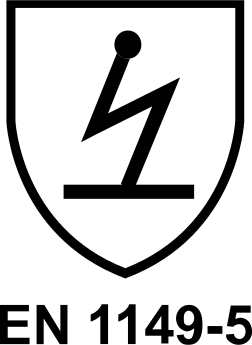
Antistatic
EN 1149-5 specifies requirements for protective clothing with electrostatic dissipation. This helps reduce the risk of static electricity building up and discharging.
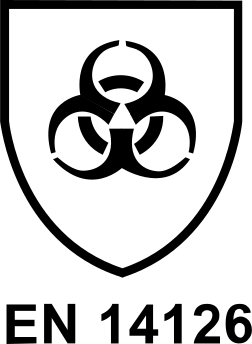
Biological barrier
EN 14126 covers protective clothing against infectious agents, such as bacteria, viruses and contaminated liquids. The exact level of protection depends on the design and product specification.

Protection against radioactive contamination
EN 1073-2 concerns protection against contamination by airborne radioactive particles. This standard does not mean that the clothing protects against ionising radiation.

Liquid-tight
Type 3 indicates liquid-tight chemical protective clothing. This type is intended to protect against strong, directed jets of liquid chemicals.

Spray-tight
Type 4 indicates spray-tight or mist-tight protective clothing against liquid chemicals. It provides protection against liquid mist and splashes.

Solid particles
Type 5 is intended to protect against airborne solid particles, such as dust and fibres. The standard assesses particle penetration and seam strength, among other factors.

Light spray
Type 6 provides limited protection against liquid chemicals, for example in the event of light spray, minor splashes or incidental contact.

Category III
Category III is used for personal protective equipment intended for serious risks, including risks with potentially irreversible or fatal consequences.
Combinations on ProChem clothing
Protective suits can combine several types and standards. Therefore, always check the designations, applications and limitations that apply to each specific suit on the product page.
Please note: this page helps you interpret the symbols on the product page. When making your final choice, always use the product specification, the label and, where applicable, the safety data sheet or the manufacturer’s documentation.