




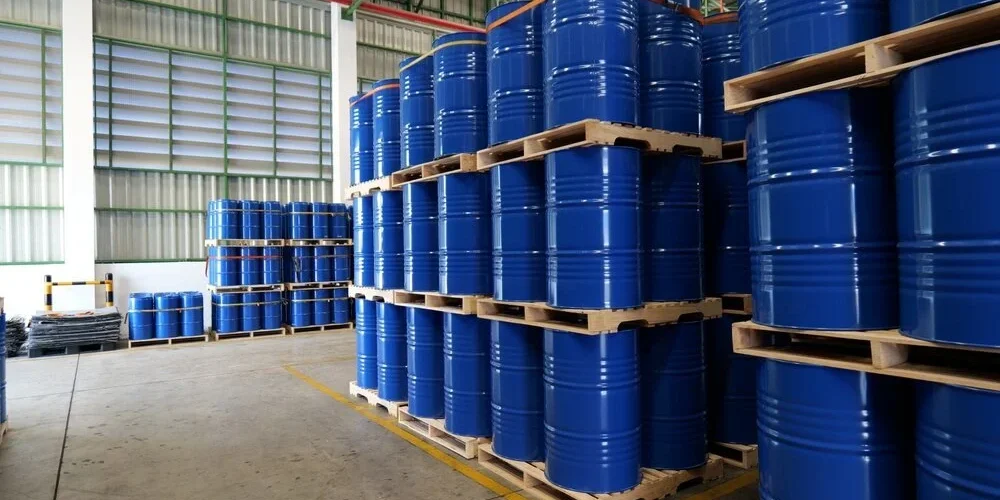
Handling chemicals safely isn’t just a matter of common sense; it also involves complying with strict European laws and regulations. Whether you’re a manufacturer, distributor, or user of chemicals, knowledge of REACH, CLP, and ADR is essential. In this overview article, we explain what these regulations entail, why they’re important, and the minimum knowledge you need when working with or handling chemicals.
Why is legislation around chemicals important?
Chemicals can be harmful to humans, animals, and the environment. Without clear regulations, hazardous substances would be stored, used, or transported incorrectly, with potentially serious consequences. European regulations are designed to minimize risks and ensure safe handling at every level of the supply chain: from production and distribution to use and waste processing.
The three most important regulations in Europe
REACH – Registration, Evaluation, Authorisation and Restriction of Chemicals
REACH applies to virtually all chemical substances in the EU. Its goal: to ensure that manufacturers and importers are aware of the risks associated with their substances and that they communicate this information throughout the supply chain.
- Manufacturers must register chemical substances with the European Chemicals Agency (ECHA).
- Users have the right to receive information about safe use (via the Safety Data Sheet, or VIB/SDS).
- Certain substances may only be used under certain conditions (authorisation requirement) or are completely banned (restrictions).
CLP – Classification, Labeling and Packaging
CLP ensures that hazardous substances and mixtures are labelled and packaged in a uniform manner within the EU.
- Labels must contain hazard pictograms, signal words, hazard statements (H-statements) and precautionary statements (P-statements).
- Information must be understandable to everyone, including end users.
- Substances must be classified according to their properties (e.g. corrosive, flammable, environmentally hazardous).
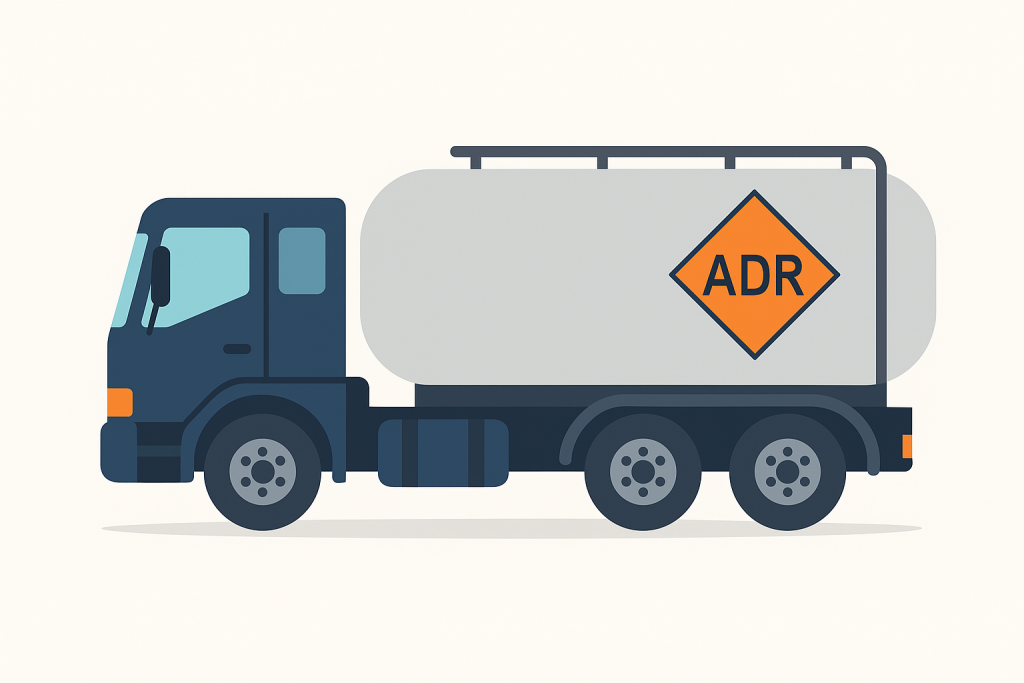
ADR – European regulations for the transport of dangerous goods by road
ADR is mandatory for companies that transport or have transported hazardous substances.
- Substances are classified into hazard classes (e.g. class 3 = flammable liquids, class 8 = corrosive substances).
- Requirements for packaging, labelling and documentation are strictly defined.
- Carriers and consignees must have the appropriate permits and knowledge.
What should you do as a company or user?
Depending on your role in the chain (producer, importer, distributor, end user), different responsibilities apply:
| Role | Responsibilities |
|---|---|
| Producer / Importer | REACH registration, CLP labelling, ADR transport documents and labels |
| Webshop / Distributor | Check labels, provide correct VIBs, comply with ADR during shipment |
| End user (e.g. laboratory or workshop) | Work according to the VIB, apply safety measures, dispose of waste correctly |
Understanding Labels: What Should Be Included?
According to CLP, a product with a hazard symbol (e.g. corrosive or toxic) must always state the following:
- Product identification (substance name or mixture)
- Hazard pictograms (such as the flame or skull)
- Signal word (e.g. Danger or Warning )
- Hazard statements (H statements) – describe the risk, such as “Causes severe burns”
- Precautionary statements (P-statements) – describe how to work safely, such as “Wear protective gloves”
- Name and contact details of the supplier
Safety Data Sheet (SDS)
A VIB is mandatory for sales to businesses and, upon request, to private individuals. It contains:
- Identification of the product and supplier
- Hazard classification
- Measures in case of accidents
- Storage and processing instructions
- Environmental information
The VIB must be available in the language of the country of use.
Common mistakes in practice
- Storing products without or with incomplete labels
- Hazard symbols are missing or not in accordance with CLP guidelines
- Do not make VIB available to business customers
- Forgetting ADR labels and UN numbers when shipping hazardous substances
- Incorrect storage of incompatible substances (e.g. acids and bases together)
Finally, creating awareness
Chemical regulations may seem complex, but the ultimate goal is clear: safe and responsible handling of hazardous substances. By using labels correctly, reading safety data sheets, and following transport regulations, you significantly reduce the risk of accidents, damage, or legal problems.
Would you like to know more about specific parts?
In this series we will discuss:
- What REACH means for you as a webshop or manufacturer
- How to correctly compose CLP labels
- When ADR applies and how to comply with it
- Safety Data Sheets (SDS): what should you check?
ℹ️ Disclaimer
The information in this article is for general information purposes only and should not be considered legal advice. While we strive to ensure the content is accurate and up-to-date, no rights can be derived from this article. Regulations regarding chemical substances change regularly; therefore, always consult official sources such as the ECHA , the Dutch government , or the Human Environment and Transport Inspectorate (ILT) for the most recent and binding information. If you see an error or outdated information, please let us know; we’re happy to correct it.