





A clogged sink is an annoying but common problem in the bathroom. The water stops draining, a residue remains after brushing your teeth, and sometimes a foul odor comes from the drain. In most cases, you can fix a clogged bathroom drain yourself without calling a plumber. This article shows you exactly how to proceed step by step, which methods really work, and when it’s best to seek professional help.
Why does your sink get clogged?
The most common cause of a clogged bathroom sink is a combination of hair and soap scum. Hair that ends up in the sink during washing, shaving, or combing gets tangled in the drain and, together with soap, shampoo, and creams, forms a stubborn film. This substance sticks to the walls of the pipes and the trap, gradually reducing water flow.
Other culprits include:

- Soap residue and skin oils that accumulate at the bottom of the siphon
- Toothpicks and cotton swabs accidentally slipping down the drain
- Shaving foam and gel that is not rinsed away properly after shaving
- Limescale in combination with hard water, which causes the pipes to narrow
These materials accumulate in the sink’s siphon (the siphon valve beneath the sink) and form a plug that blocks the water. The result: a sink that no longer drains or where water drains slowly.
Unclogging your sink step by step
Before you start unclogging your sink, it’s wise to start with the gentlest method and only move on to more intensive methods if necessary.
Step 1: Remove hair and dirt from the drain
Start by removing any visible hair and debris from the drain opening. Use a wire with a hook or a special drain hook. Carefully insert it into the drain and twist as you pull it upward. Hair and soap scum will come up with it. Dispose of these residues in the trash, not back down the drain.
This is often sufficient for a minor blockage and only takes a few minutes.
Step 2: Using the plunger
A rubber plunger is an effective tool for prying loose a blockage in the bathroom drain.
Fill the sink with 3 to 5 centimeters of water. This water will create a better seal and strengthen the vacuum. Place the rubber head of the plunger firmly over the drain opening and make vigorous, up-and-down pumping motions. Repeat this 10 to 15 times. The vacuum created can dislodge the plug containing hair and soap residue.
Tip : Do you have an overflow opening in your sink? Cover it with a damp cloth to prevent the pressure from escaping.
Step 3: Cleaning the sink siphon
If popping doesn’t work, the blockage is probably in the sink trap . This is the curved pipe under the sink that holds water to prevent odors from the sewer.
Preparation
Place a bucket or basin under the siphon to catch any water. Have a towel ready for spills and wear rubber gloves.

Disassemble the siphon
See if you can loosen the connections by hand. With a plastic siphon, this is usually possible without tools. With a metal siphon, you might need a pair of pipe wrenches. In that case, wrap a cloth around the nut to prevent scratches.
First loosen the top fitting, then the bottom. Let the water drain into the bucket. Note how the parts are assembled – especially the order of the rubber seals.
Cleaning the siphon
Remove all hair, soap residue, and dirt from the siphon. Use an old toothbrush or a brush to loosen stubborn dirt. Rinse all parts thoroughly with warm water and a little dish soap.
Also check the sealing rings. If they are damaged or hardened, replace them immediately to prevent leaks.
Replace siphon
Reassemble the siphon in reverse order. Tighten the connections firmly, but not too hard, especially on plastic parts. Open the tap and check for leaks.
Step 4: Soda and vinegar for remaining clogs
If the siphon is clean but the water is still not flowing optimally, there may still be a slight blockage in the pipe.
Sprinkle 3 to 4 tablespoons of baking soda into the drain hole. Then pour in a good splash of cleaning vinegar . The mixture will start to fizz, let it work for 15 to 30 minutes. Then flush with hot water. The chemical reaction dissolves soap residue and limescale without damaging the pipes.
Step 5: Drain cleaning spring for deep blockages
Is the blockage deeper in the pipe, out of reach of the siphon? Then a drain snake may provide a solution.
Remove the trap (see step 3). Carefully insert the drain snake into the drain pipe until you feel resistance. Twist the snake back and forth and try to dislodge the plug. Gently withdraw the snake and remove any hair or debris. Repeat until the pipe is clear.
Stubborn blockages: when drain cleaner granules are an option
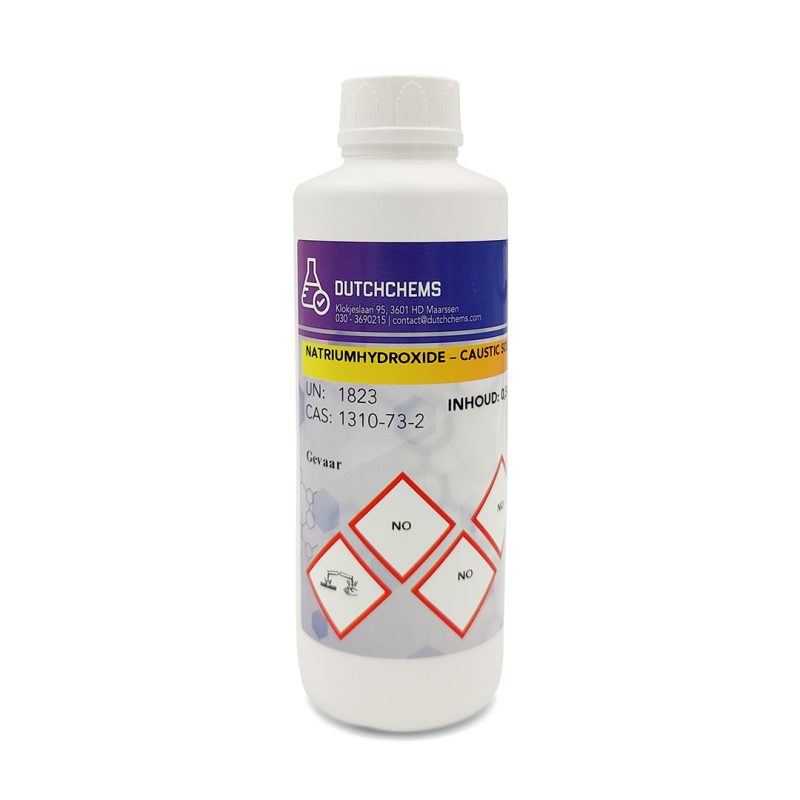
For stubborn blockages where mechanical methods don’t help, drain cleaner granules can be a last resort before calling a plumber. Granules are especially effective for blockages close to the drain opening and consisting of hair, soap, and grease.
Safe use of granules
Wear protective gloves and goggles, the granules contain corrosive substances such as sodium hydroxide that can cause severe burns . Remove as much standing water as possible from the sink. Sprinkle the recommended amount (usually a scoop or 25% of the package) down the drain. Then carefully pour in a generous amount of boiling water. This is essential: without enough water, the grains can dry out and form a solid mass that only worsens the clog. Leave the product on for 15 to 30 minutes and then rinse thoroughly with plenty of water.
When granules aren’t wise
Granules are not suitable if the blockage is deep in the pipe, as they can’t reach the correct location. You should also be careful with PVC pipes and plastic traps – repeated use can damage the materials. Never mix different chemical drain cleaners together or with hot water, as this can cause dangerous reactions.
Liquid drain unblocker as an alternative to granules
For stubborn blockages, you can consider liquid drain cleaner in addition to granules. Liquid drain cleaners work faster and are often more effective for blockages that are further down the pipe, because they can penetrate the water more easily and spread over larger areas. They are also less sensitive to the crystallization problem that granules have when water is insufficient.
As with granular products, you should always use liquid drain cleaner according to the instructions. Wear gloves and goggles, pour the product carefully into the drain, and allow the recommended application time. Never mix liquid drain cleaners with other products.
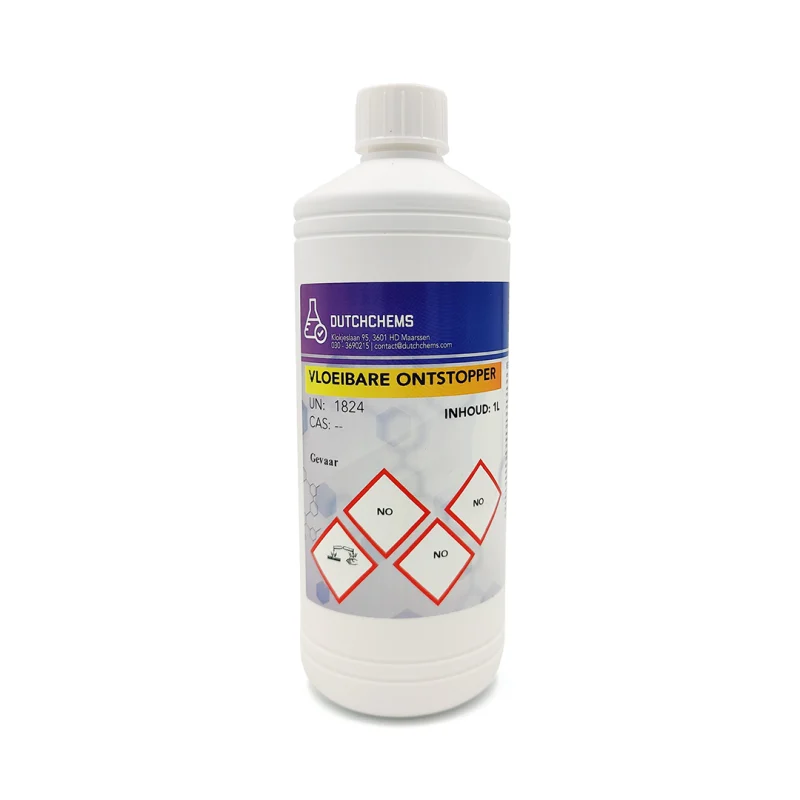
Vloeibare Ontstopper (Natronloog) – 1,0 L
In stock
| Quantity discount | Quantity | Discount |
|---|---|---|
| From 2 pieces | 2 – 3 | 10% |
| From 4 pieces | 4 – 11 | 20% |
| 12 pieces or more | 12 + | 42% |
When do you choose liquid or granules?
Use liquid drain cleaner if the blockage is further down the pipe or if you want faster results. Granular cleaner is more suitable if the clog is close to the drain opening and you need a more powerful, concentrated action.
What not to do when your sink is clogged
There are a few common mistakes you should avoid. These often make the problem worse or cause damage.
Using coffee grounds, cola, or soda : Some people think these products will clean the drain. In reality, coffee grounds only dissolve partially and contribute to blockages. Cola doesn’t contain enough phosphoric acid to be effective.
Combining chemical drain cleaners : Never mix different drain cleaners. Combining corrosive substances can release dangerous gases or cause explosive reactions.
Using too much force : Never force with sharp tools or a drain snake. You could damage the pipes, leading to leaks and expensive repairs.
Pouring granules directly into a dry drain : Without sufficient water, the granules can crystallize into a hard mass that worsens the blockage. This can lead to a situation where the entire drainpipe needs to be replaced.
Remove odor from sink
A foul odor from the sink is often a sign of dirt buildup in the trap or pipes. The stench is caused by bacteria feeding on hair, soap residue, and skin oils.
Material-oriented approach
For plastic siphons : Clean the siphon following the steps above. Plastic is sensitive to scratches, so only tighten by hand or use a pair of water pump pliers with a protective cloth. Rinse with warm water and a mild detergent.
For metal siphons : These can rust, causing odors. Clean the siphon and check for rust spots. For light rust, you can treat the areas with a rust remover. For severe corrosion, replacement is often the best solution.
Preventative maintenance : Regularly running warm water and baking soda down the drain prevents bacteria from building up and causing odors.
How to prevent blockages
Prevention is easier than cure. With a few simple habits, you can keep your sink drain clean and prevent it from getting clogged .

Use a drain screen . This inexpensive device catches hair and soap scum before it slides down the drain. Clean the screen weekly.
Rinse regularly with hot water . Once a week, run a kettle of hot water down the drain. This will dissolve any emerging grease and soap residue before it forms a clog.
Perform a baking soda treatment monthly . Sprinkle a tablespoon of baking soda down the drain, add a splash of vinegar, and let it sit for 15 minutes. Flush with hot water. This keeps the pipes clean and prevents unpleasant odors.
Avoid flushing solids . Don’t throw cotton swabs, toothpicks, and other small objects down the sink; put them in the residual waste instead.
Clean the siphon quarterly . By preventatively disassembling and rinsing the siphon, you remove accumulated hair and soap before it becomes a problem.
Frequently Asked Questions
Clogged sink, what to do first?
Start by removing any visible hair from the drain opening with a wire or drain hook. Then try popping it with a rubber plunger. If that doesn’t work, clean the trap.
How often should I clean the siphon?
To ensure proper drainage, it’s wise to clean the siphon every quarter. In households with heavy hair use (long hair, frequent shaving), monthly cleaning may be necessary.
Does baking soda really work to prevent clogs?
Yes, baking soda dissolves soap scum and limescale and neutralizes odors. Use it preventatively: a tablespoon once a month is enough to keep the pipes clean.
Can I use a chemical drain unblocker on a completely clogged drain?
No, with a complete blockage, the granules can’t reach their proper location. Furthermore, they can dry out and form an even harder plug. First, clean the siphon or use a drain snake.
When should I call a plumber?
Call in a professional if your own attempts are unsuccessful, if several drains are clogged at the same time, or if water is flowing back from the drain. A plumber is also needed in the event of recurring blockages to find the underlying cause.
Finally
A clogged sink is an annoying problem, but in most cases you can easily fix it yourself. Always start with the gentlest approach: remove hair, use the plunger, and clean the trap. These mechanical methods clear almost all blockages without damaging the pipes.
Drain cleaner granules can be an option for stubborn blockages, but use them with caution and according to the instructions. Prevention is always best: a drain screen, regular hot water, and monthly baking soda will keep your bathroom drain clean and odor-free.
Are your attempts unsuccessful or are you experiencing recurring blockages? Then it’s wise to consult a professional. A professional can determine the cause and safely clear the blockage, without risking damage to your pipes.