










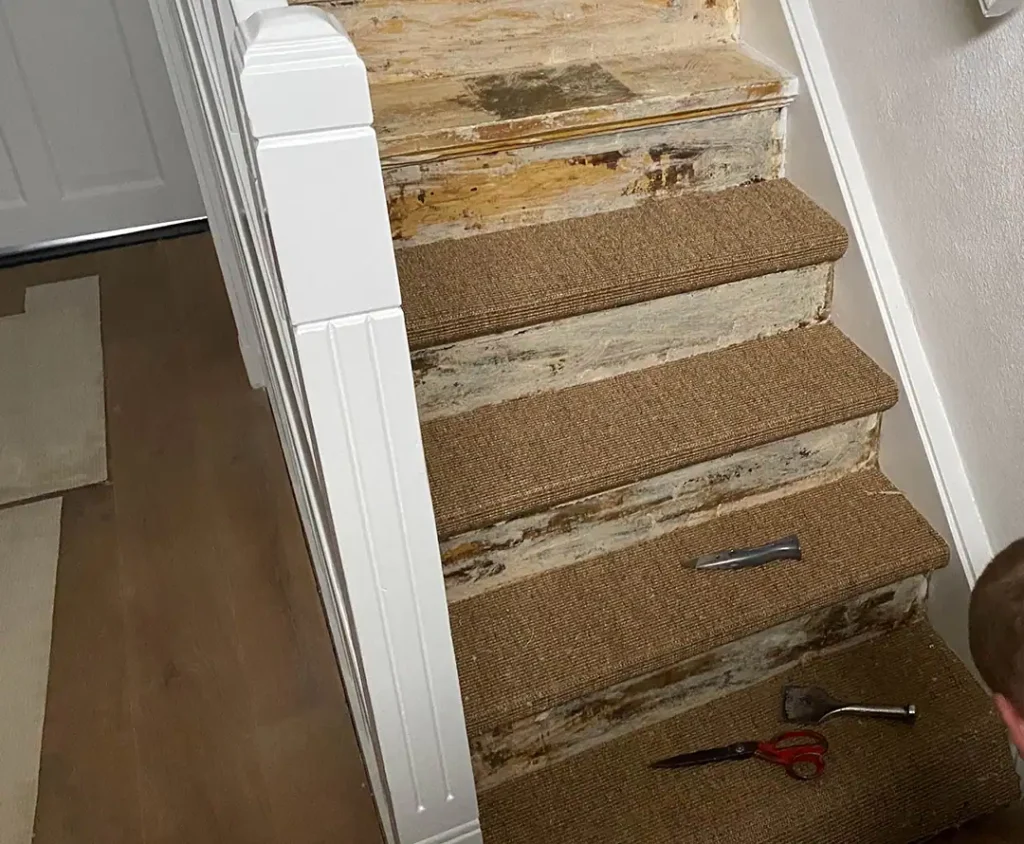
An image of a wooden staircase with the carpet being removed, showing adhesive residue and tools such as a utility knife and scraper on the steps.

Removing glue from stairs

This article provides a comprehensive guide to removing adhesive residue from stairs, regardless of the material of the stairs (wood, metal, or concrete). It begins with the important step of removing as much of the covering as possible before tackling the adhesive. It then discusses specific methods and products for each surface type. For wood stairs, it recommends using white vinegar or mineral spirits, while acetone and commercial adhesive removers are effective on metal stairs. Concrete stairs can be treated with a sander, heat, or solvents. The article also emphasizes important safety precautions, such as wearing gloves and working in a well-ventilated area, to ensure a safe and successful cleaning.
Continue reading
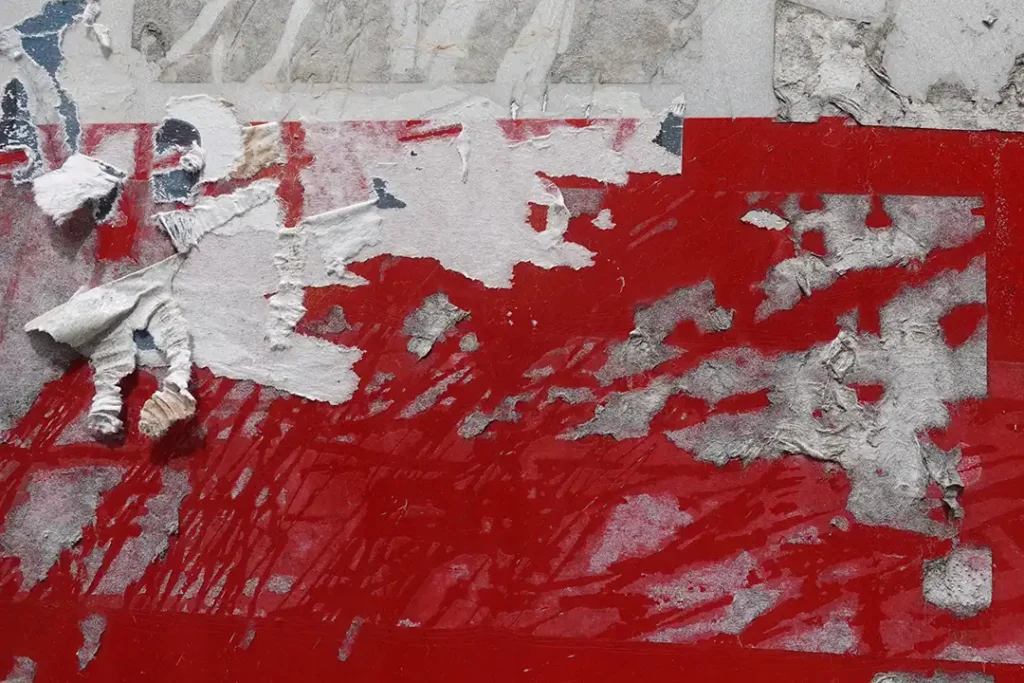
A close-up image of stubborn adhesive residue on a red surface, with partially torn and faded layers of paper and glue.

Removing adhesive residue from different surfaces

This article explains how to safely remove adhesive residue from various surfaces such as wood, glass, plastic, metal, and fabric. Specific methods are recommended for each type of surface, such as using cleaning vinegar on wood and glass, isopropyl alcohol on plastic, and acetone on metal. It is important to test products on a small, inconspicuous area of the surface first to avoid damage. Important safety precautions are also discussed, such as wearing gloves, working in a well-ventilated area, and avoiding contact with eyes and skin. It is also recommended to keep chemical solvents out of the reach of children and pets. This approach helps to effectively remove adhesive residue without damaging the surface.
Continue reading
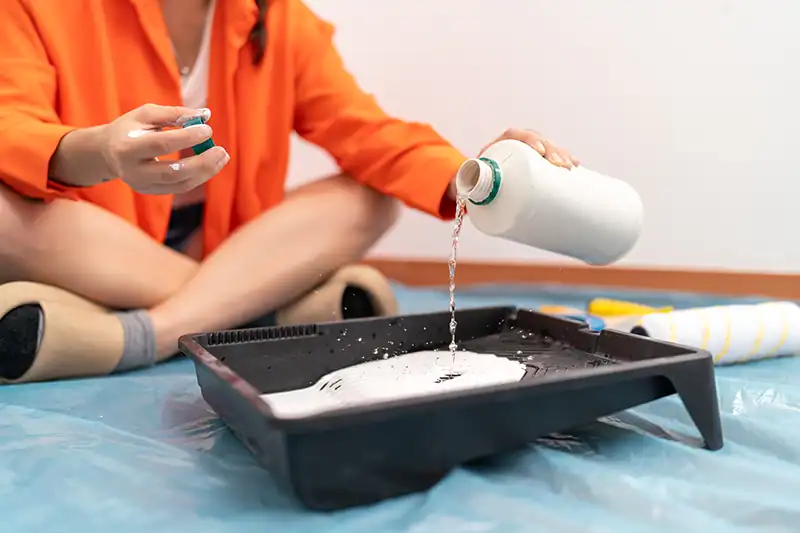
A person adding liquid to paint in a paint tray to thin the paint.

How do you thin paint?

The article explains why thinning paint is necessary and how to do it correctly. Thinning paint is important when paint has become too thick due to aging or evaporation of solvents. Different types of paint require different thinners: water for acrylic and latex paint, turpentine for oil and alkyd paint, thinner for automotive paints and epoxies, and white spirit for alkyd paint when using a paint sprayer. The article provides step-by-step instructions for thinning paint, including the benefits of each thinner and practical tips for an even finish. and video shows how to determine the correct thickness of paint and thin it correctly.
Continue reading
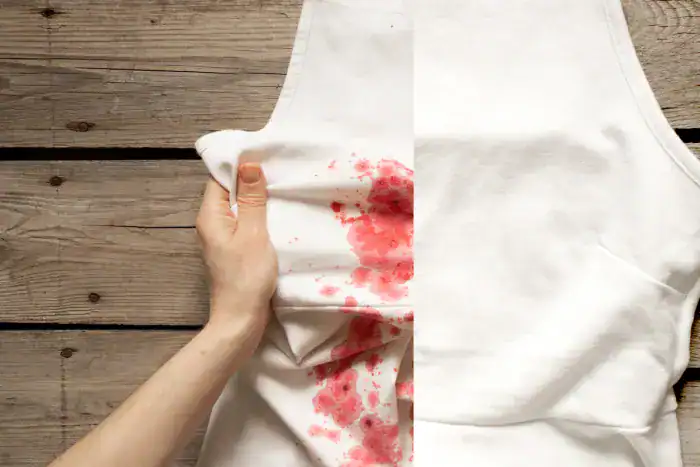
A white garment with blood stains on the left and a clean section on the right

Removing blood stains from clothing

This article provides a step-by-step guide to removing blood stains from clothing using hydrogen peroxide. The process involves immediately treating the stain with cold water, blotting the stain, and applying hydrogen peroxide to break down the blood. After blotting and rinsing the stain, the garment is washed with cold water and detergent. The article emphasizes the importance of acting quickly and provides tips for using hydrogen peroxide safely on different fabrics.
Continue reading
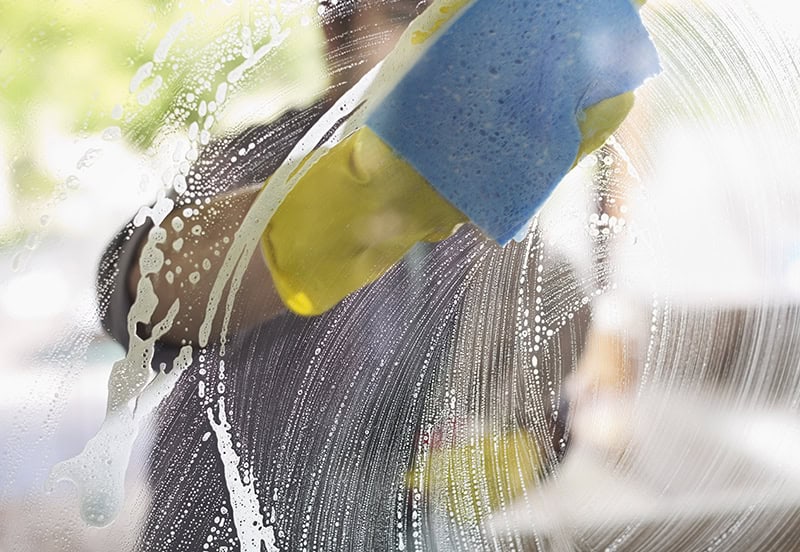
A person wearing yellow rubber gloves washes a glass window with soapy water and a blue sponge.

Cleaning with Ammonia

This article provides a practical guide to using ammonia solutions for cleaning tasks. It explains how to prepare a solution by adding ammonia to warm water, highlighting important safety precautions such as proper ventilation and wearing protective clothing. It also warns of the dangers of mixing ammonia with bleach, which can produce harmful fumes. It clarifies the difference between ammonia as a solution and ammonia as a gas, as well as the risks associated with exposure to ammonia gas. This information supports the safe use of ammonia for cleaning surfaces.
Continue reading
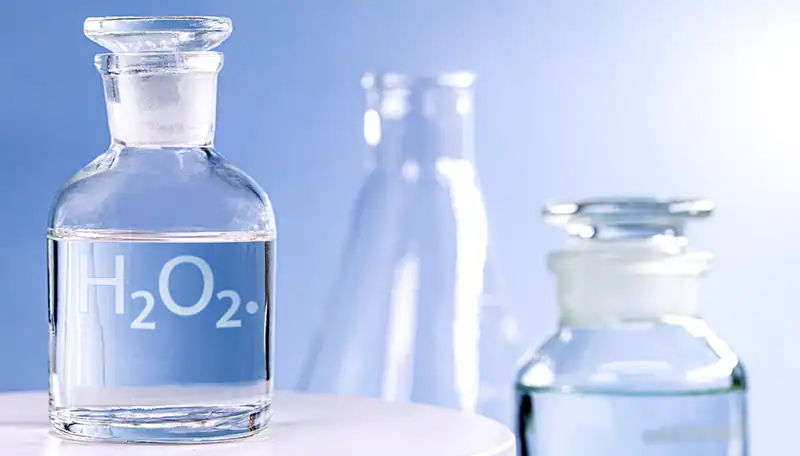
Glass bottle of hydrogen peroxide on a clean white background

Rinse with hydrogen peroxide

The information in this article concerns only ready-to-use hydrogen peroxide mouthwash (max. 3%) available from drugstores. Dutchchems sells technical-grade hydrogen peroxide exclusively for industrial and laboratory applications, not for oral care or other cosmetic or medical purposes. This article is for informational purposes only. Hydrogen peroxide is a colourless oxidiser used at low concentrations in consumer applications such as mouthwashes and at higher concentrations in technical processes, where oxygen radicals break down dyes and visible contamination on hard surfaces, textiles or in drains. Safe use always requires gloves, eye protection, good ventilation and avoiding mixtures with chlorine-based bleach to prevent hazardous fumes.
Continue reading