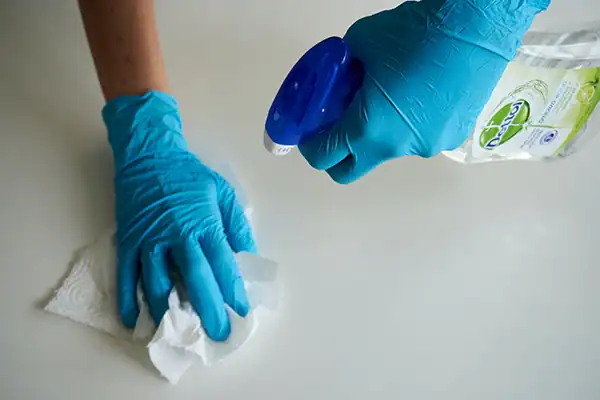
This article explains how to clean stainless steel without scratching it using gentle, effective methods. It highlights safe cleaning products like microfiber cloths and mild products like warm water and dish soap, isopropyl alcohol for stubborn grease, white vinegar for natural cleaning, and baking soda for stubborn stains. It also offers tips for adding shine with light oils and cautions against harsh scouring pads or chemicals. With these simple steps, stainless steel will stay clean, shiny, and scratch-free.
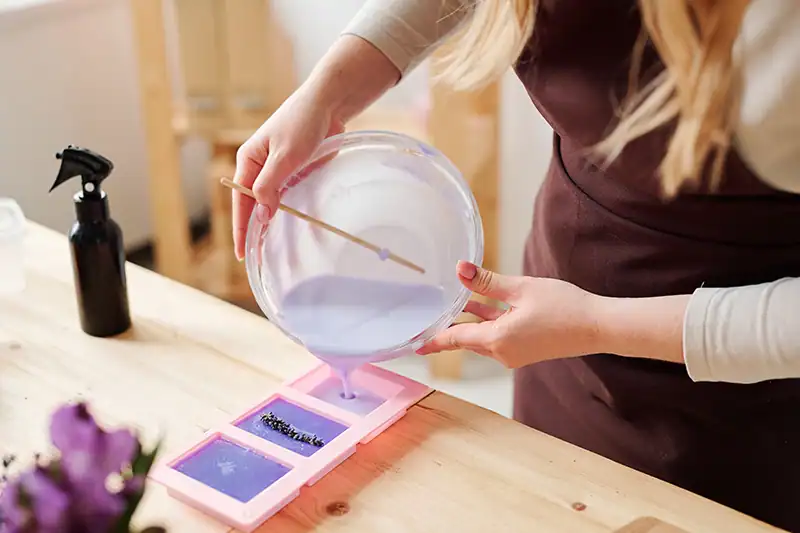
This article provides a step-by-step lab guide for students to study the sodium hydroxide saponification process. It describes the materials needed, safety precautions, and the chemical reaction that converts fats and oils into soap. In addition to technical explanations, sample lab questions and answers are provided to deepen the understanding of the process.
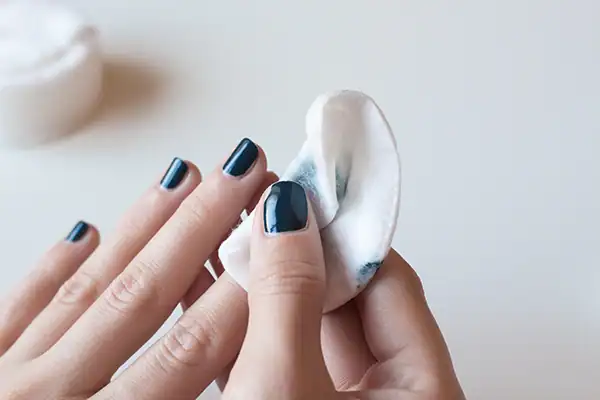
This summary discusses the two main solvent categories used in nail polish remover formulations, acetone, which evaporates quickly but can dry out keratin-containing substrates, and milder, acetone-free esters such as ethyl or isopropyl acetate; it also discusses how additives such as fatty alcohols can reduce drying out, why good ventilation is necessary when working with volatile organic compounds, and how formulators balance dissolution speed with material friendliness. Dutchchems only supplies technical solvents as raw materials, including acetone and ethyl acetate, and does not sell ready-to-use nail polish removers for cosmetic use; this article is intended solely as general chemical information and not as instructions for use. Please note that this product is a chemical raw material and not a biocide, applications are reserved for professional users only and are their own responsibility, Dutchchems makes no claims or guarantees about its effectiveness in specific situations.
Isopropyl alcohol, also known as isopropanol, is a colorless, volatile liquid that is used in various sectors, such as healthcare, cosmetics and electronics. It serves as a disinfectant, solvent and cleaning agent. Despite its versatility, it is a flammable substance and precautions should be taken when using it, such as avoiding contact with skin and eyes. Inhalation may cause irritation and it is important not to drink the product. For safe and effective use, it is essential to store it correctly and follow proper safety instructions.
We use necessary cookies to make our online shop work properly. With your consent, we also use cookies for statistics. Choose Accept to allow all available categories, or view your preferences to make your own choice. You can change your choice at any time via Cookie settings.
Necessary
Always active
Technical storage or access is strictly necessary for the legitimate purpose of enabling the use of a specific service explicitly requested by the subscriber or user, or solely for the purpose of transmitting a communication over an electronic communications network.
Preferences
Technical storage or access is necessary for the legitimate purpose of storing preferences that were not requested by the subscriber or user.
Statistics
Technical storage or access used exclusively for statistical purposes.Technical storage or access used exclusively for anonymous statistical purposes. Without a subpoena, voluntary compliance by your internet service provider, or additional records from a third party, information stored or retrieved solely for this purpose usually cannot be used to identify you.
Marketing
Technical storage or access is required to create user profiles for sending advertising, or to track users on this website or across websites for similar marketing purposes.