




























Personal Protective Equipment (PPE) in the Workplace

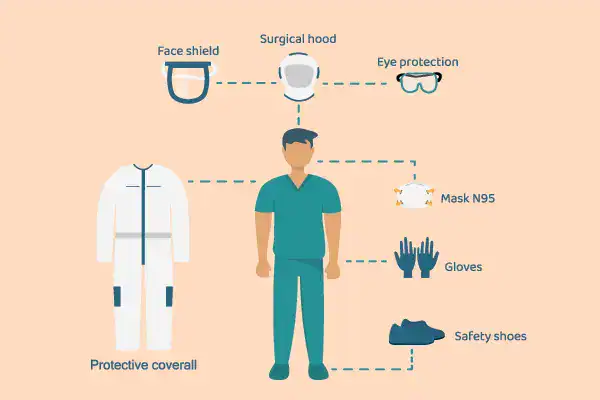
Workplace safety always comes first, and personal protective equipment (PPE) plays a crucial role. PPE is essential equipment that helps employees protect themselves against potentially hazardous conditions and occupational injuries. It ranges from simple accessories to advanced technological devices, depending on the nature of the work and the risks to which employees are exposed.
What are Personal Protective Equipment?
Personal protective equipment (PPE) is equipment worn or used by people in the workplace to protect themselves against risks such as physical, chemical, biological and ergonomic hazards. This equipment is designed to minimise risks and safeguard employee safety.
Reasons to Use Personal Protective Equipment
There are numerous reasons why the use of personal protective equipment is vital in the workplace:
- Risk reduction: PPE reduces the risk of injury or damage to health caused by exposure to hazardous conditions.
- Legal obligations: In many countries, employers are legally required to provide PPE and instruct employees in its correct use.
- Increased Productivity: Employees who feel safe perform better and are more motivated to perform their tasks.
- Protection against infections: In sectors such as healthcare, PPE protects employees against infections transmitted by patients.
PPE Category Classification
Personal protective equipment is divided into several categories according to the nature of the protection they provide:
- Category 1: Simple PPE. Category 1 covers personal protective equipment designed to prevent minimal risks. This PPE is intended for situations where the risk of injury or damage to health is low. Examples include simple gloves and helmets that protect against superficial mechanical effects and minor impacts. This PPE is often comfortable and easy to wear and provides a basic level of workplace protection.
- Category 2: Intermediate PPE. Category 2 covers personal protective equipment that provides a higher level of protection than the simple PPE in category 1. It is intended for situations where the risk of injury or damage to health is moderate. Examples include safety goggles with side protection against chemical splashes and dust, and hearing protection such as earmuffs with a higher attenuation rating to reduce workplace noise exposure.
- Category 3: Complex PPE. Category 3 covers personal protective equipment designed to protect against serious and potentially life-threatening risks. It is intended for situations where the risk of injury or damage to health is high. Examples include full-body protection against chemical and biological hazards, respiratory equipment with filters to prevent inhalation of toxic gases, and protective clothing with specific properties such as flame-retardant materials for fire-risk environments.
In addition to these categories, PPE can be divided into several subcategories, each aimed at protecting specific parts of the body:
- Head protection: Helmets and headgear to protect against falling objects or head injuries.
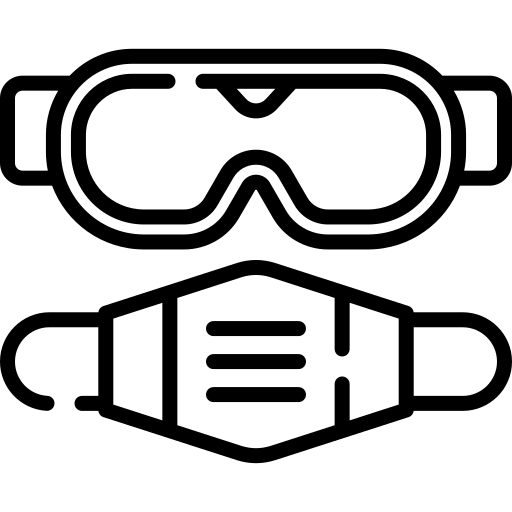
- Eye and Face Protection: Glasses, visors and masks to protect the eyes and face from particles, chemicals and radiation.
- Hearing protection: Earplugs and earmuffs to prevent hearing loss when exposed to noise.
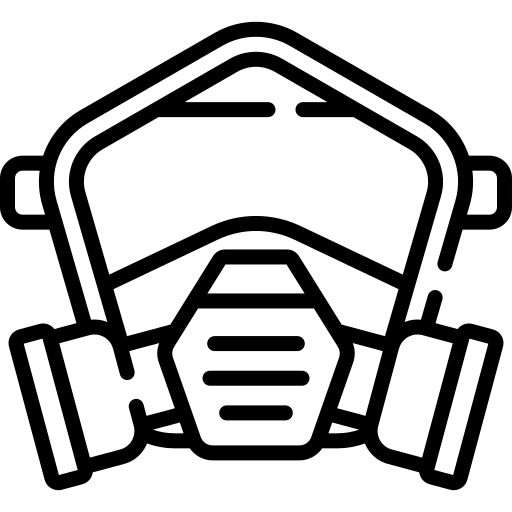
- Respiratory protection: Masks and respiratory equipment to prevent inhalation of harmful substances.
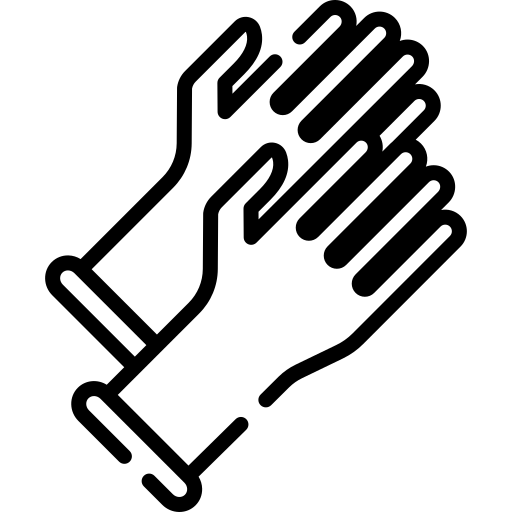
- Hand and Arm protection: Gloves and arm guards to protect against cuts, chemicals and heat.
- Body protection: Clothing and equipment such as aprons and suits to protect the body from chemicals, heat and other hazards.
- Foot protection: Safety shoes and boots to protect the feet from falling objects and other hazards.
Obligations of Employer and Employee with regard to PPE
Both employers and employees have responsibilities regarding the use of PPE:
Employer:
- Provide a safe working environment and identify potential risks.
- Provide the appropriate PPE and ensure that it meets legal standards.
- Instruct employees in the correct use, maintenance and storage of PPE.
- Carry out regular checks to ensure that PPE is used effectively.
Employee:
- Use the PPE provided in accordance with the employer’s instructions and training.
- Report any defects or shortcomings in the PPE to the employer.
- Wear mandatory PPE correctly at all times.
- Follow workplace safety regulations and guidelines.
Conclusion
Personal protective equipment is indispensable for employee safety and well-being in the workplace. Correct use of PPE significantly reduces the risk of injury and health problems. Employers and employees both play an essential role in ensuring a safe working environment. If you are looking for high-quality personal protective equipment, visit our online shop, where you will find a wide range of PPE for your specific needs. Your safety is our priority.
Choose safety. Buy your personal protective equipment at our reliable webshop.