







The role of isopropyl alcohol in industrial cleaning processes

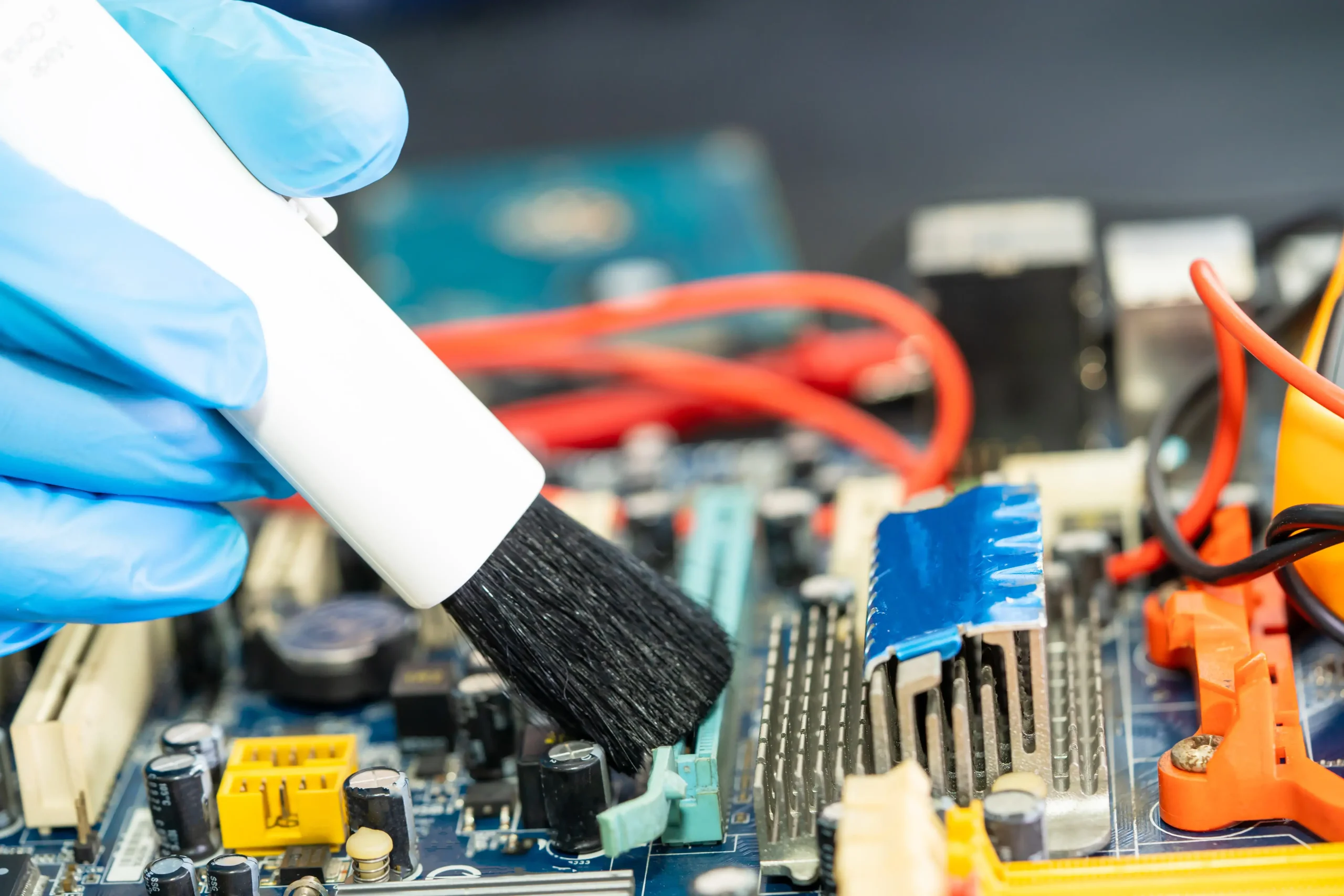
Isopropyl alcohol, also known as isopropanol or IPA, is used as a solvent for industrial cleaning and degreasing. Applications include electronics, maintenance and precision engineering. Suitability depends on the material, the contamination and the requirements of the process.
Understanding isopropyl alcohol and its properties
Isopropyl alcohol (IPA) is a clear, colourless liquid that is miscible with water. It can dissolve certain fats, oils and flux residues. Select the concentration and cleaning method according to the material or equipment supplier’s instructions. Rapid evaporation alone does not guarantee that a component is clean, dry or free from corrosion risk.
Please note: isopropyl alcohol is not the same as ethanol. Although the name may suggest ordinary alcohol, its chemical structure and properties are different. Isopropyl alcohol is intended only for technical and cleaning applications and is not suitable for consumption. Swallowing it can harm your health and must be avoided.
Why is isopropanol used for industrial cleaning?
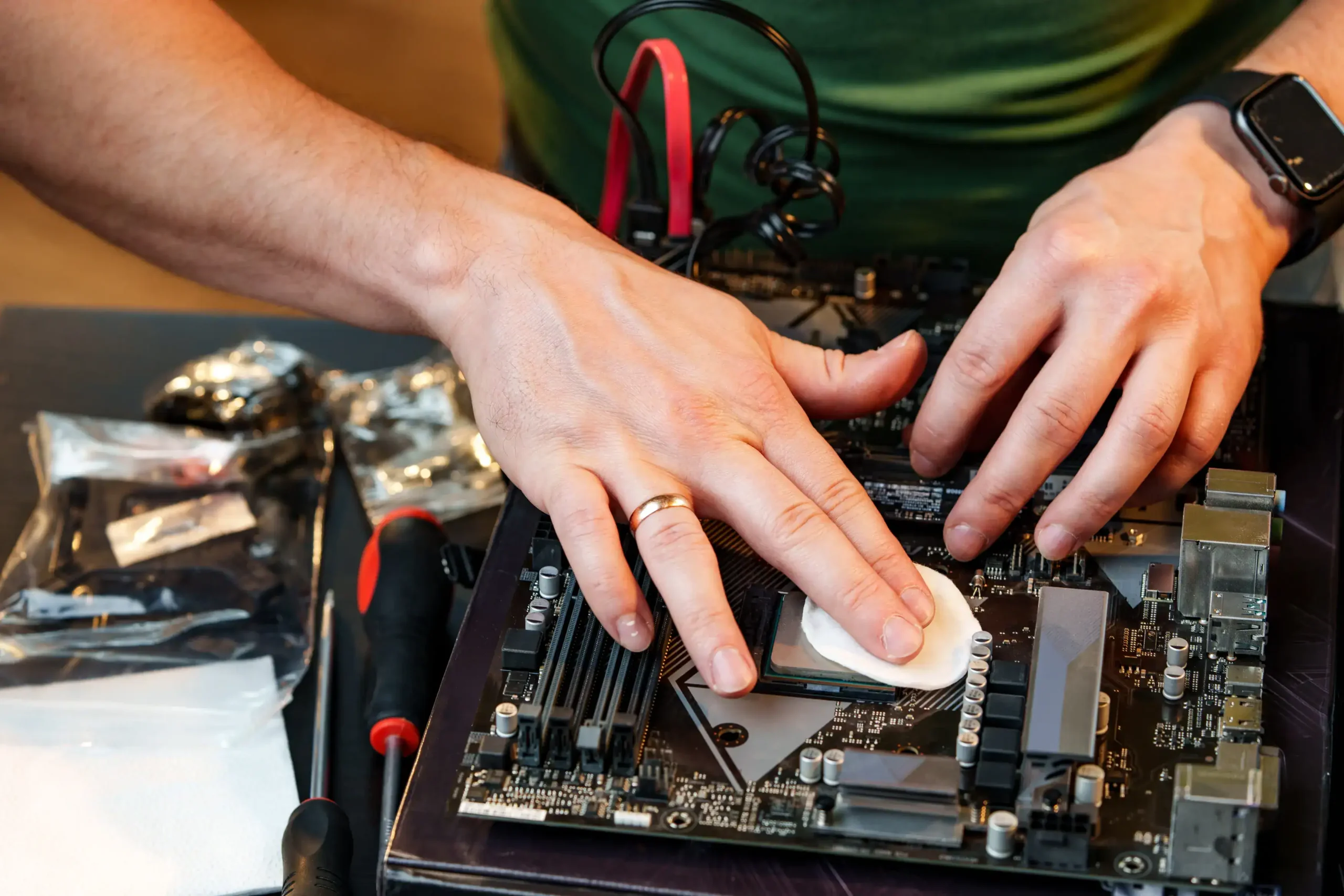
Isopropanol is used for its solvent properties and rapid evaporation. With a suitable cleaning method, it can help remove grease and other soluble contamination. Dissolved contaminants must actually be removed; evaporation alone does not remove them. Always assess material compatibility and the risks of flammable vapours.
Key properties and limitations:
- Can dissolve certain oils, adhesive residues and flux residues; not every type is soluble in IPA
- Evaporates quickly; the result also depends on contamination, water content and the cleaning method
- Use only on materials for which the supplier considers IPA suitable; if in doubt, test an inconspicuous area first
- Suitable for certain material-focused cleaning processes; this is not a claim of disinfection or biocidal activity
Removing flux and cleaning electronic components
IPA can be used for some flux residues after soldering. Other flux types require a specialist cleaner or a different method. Follow the flux and equipment suppliers’ instructions and remove dissolved residues using suitable cleaning materials.
Clean electronics only when disconnected from power and in accordance with the manufacturer’s instructions. IPA can damage certain plastics, coatings, adhesives and seals. Allow components to dry completely before switching them back on. IPA does not prevent static build-up and is not a substitute for ESD precautions.
Surface cleaning and preparation
In addition to electronics cleaning , IPA is used on certain surfaces on production lines and tools. Whether IPA is suitable before applying a coating, adhesive or paint depends on the material and the finishing system. Follow the manufacturer’s surface-preparation instructions; IPA alone does not guarantee adhesion.
Safety and environmental requirements
Isopropanol is a highly flammable liquid; its vapours can form a flammable mixture with air. It can cause serious eye irritation and drowsiness or dizziness. Consult the current safety data sheet and carry out a workplace risk assessment covering ventilation, ignition sources, personal protective equipment, storage and waste disposal. These measures do not automatically guarantee compliance with all applicable occupational, environmental and VOC regulations.
From removing suitable flux residues in electronics production to material-focused degreasing, IPA can be a useful solvent for industrial professionals . Select it based on the material, contamination and safety instructions, not solely on its evaporation rate.