












What is CLP? Explanation of hazard classification and labeling of chemical substances

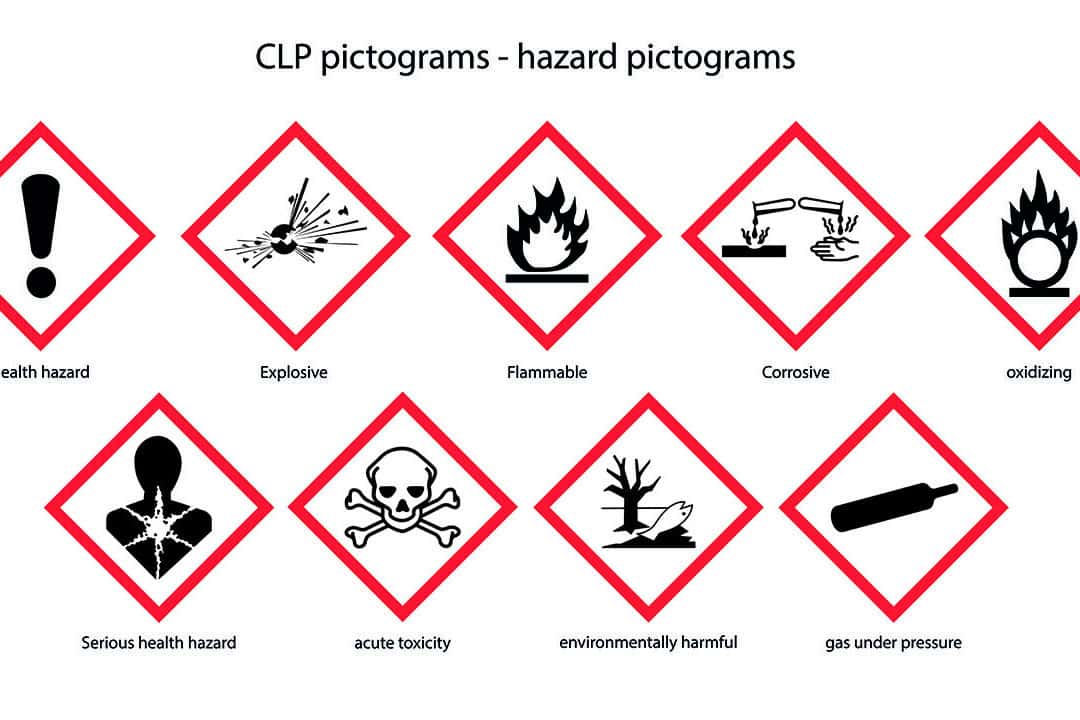
The CLP Regulation (Classification, Labelling and Packaging) is the European legislation governing the classification, labelling and packaging of chemical substances and mixtures. CLP ensures that users receive clear and consistent warnings about the risks of hazardous substances. The regulation is based on the United Nations Globally Harmonized System: the GHS.
CLP applies to everyone who produces, imports, distributes, or uses substances or mixtures. It ensures that hazards are correctly identified, labels are understandable, and the same symbols are used throughout Europe.
1. Hazard classes under CLP
CLP classifies chemical substances into three main categories:
- Physical hazards (e.g. flammable liquids or explosive substances)
- Health hazards (such as corrosives, allergens or carcinogens)
- Environmental hazards (such as substances harmful to aquatic organisms)
Each class contains subcategories that indicate the severity and nature of the hazard in more detail.
2. The 9 CLP hazard symbols (GHS symbols)
The CLP Regulation defines nine official hazard symbols . These symbols are used on labels for substances and mixtures classified as hazardous. Each pictogram represents a specific type of risk, such as fire hazard, toxicity, or corrosiveness. The symbols are intended to quickly and clearly indicate the type of hazard someone is facing. They help users handle the product safely and take the appropriate precautions. The use of these pictograms is mandatory throughout the European Union.
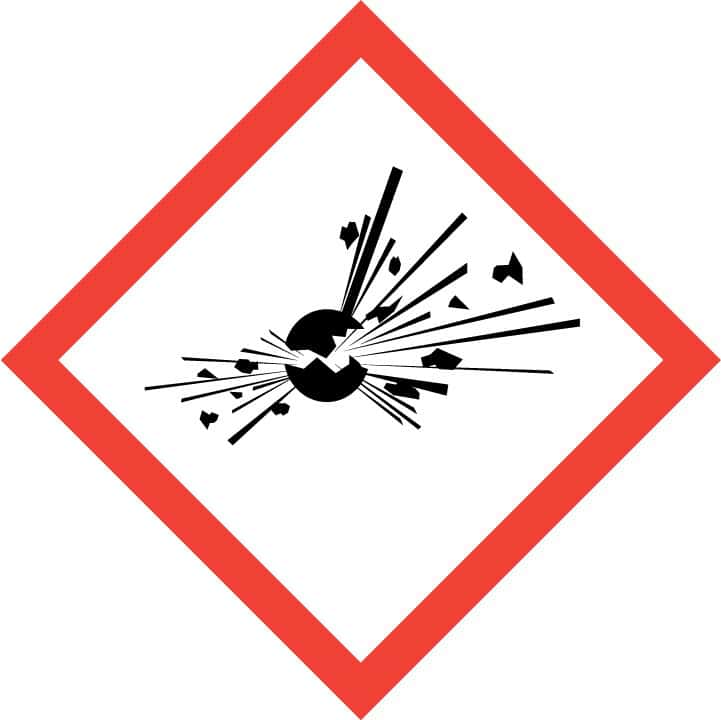
Explosive (GHS01)
Indicates that the substance may explode due to fire, shock or friction.
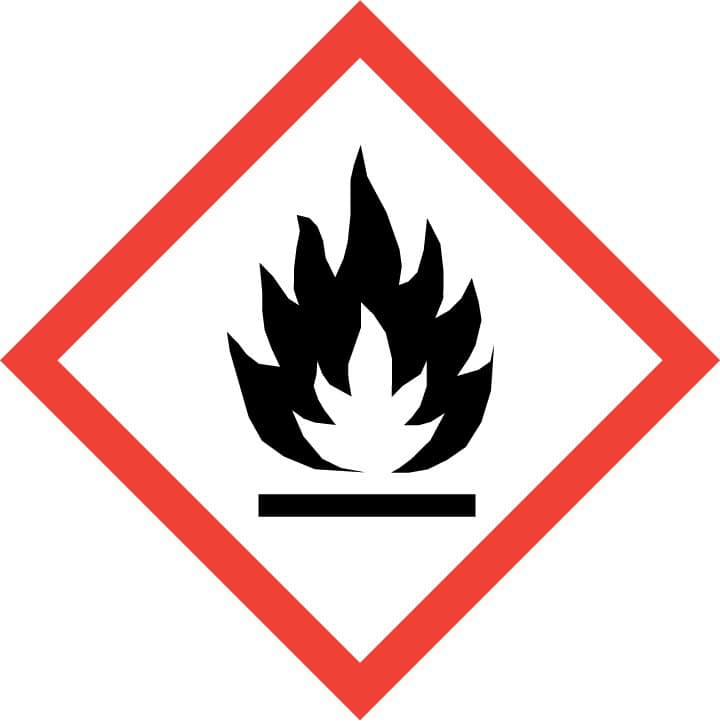
Flammable (GHS02)
For substances that easily ignite, such as solvents and gases.
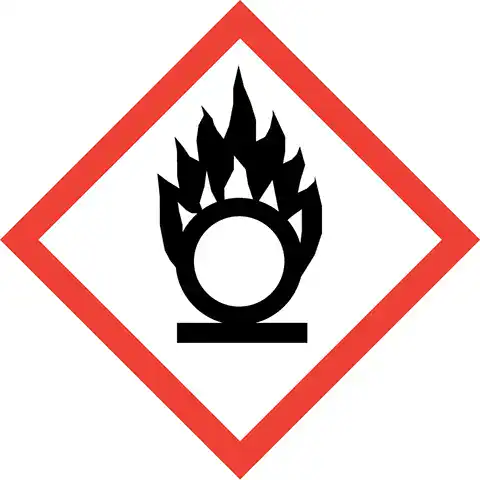
Oxidizing (GHS03)
Promotes combustion. May aggravate fire.
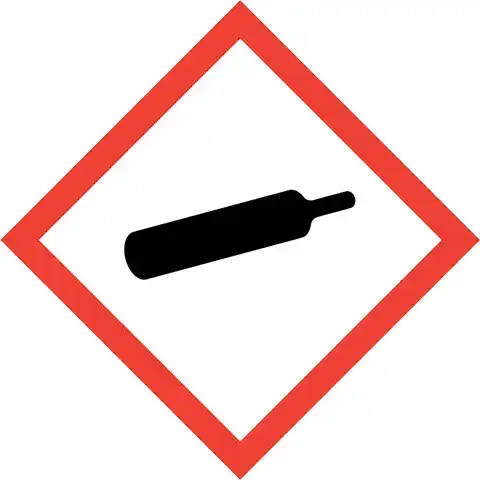
Gas cylinder (GHS04)
For compressed, liquefied or dissolved gas.
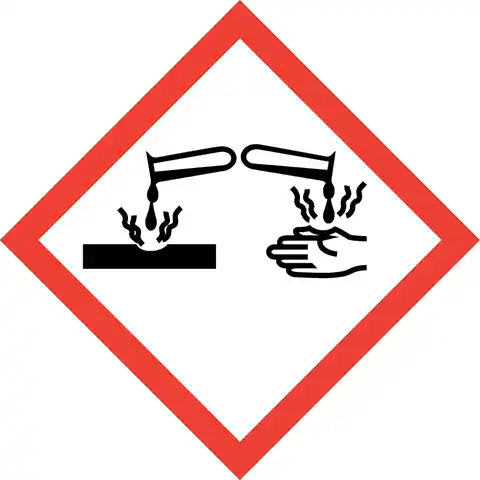
Corrosive (GHS05)
Causes severe burns to skin and eyes, corrodes metals.
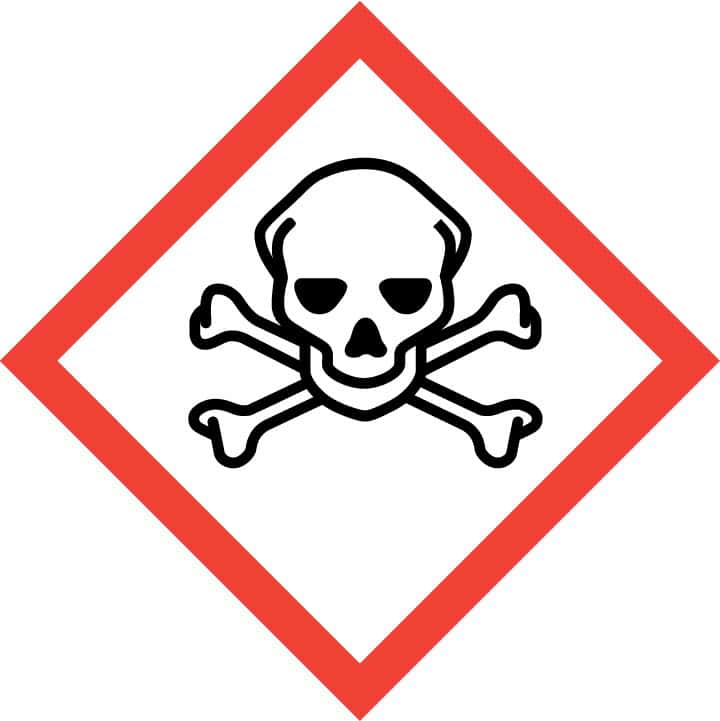
Toxic (GHS06)
Can be fatal in very small quantities (acutely toxic).
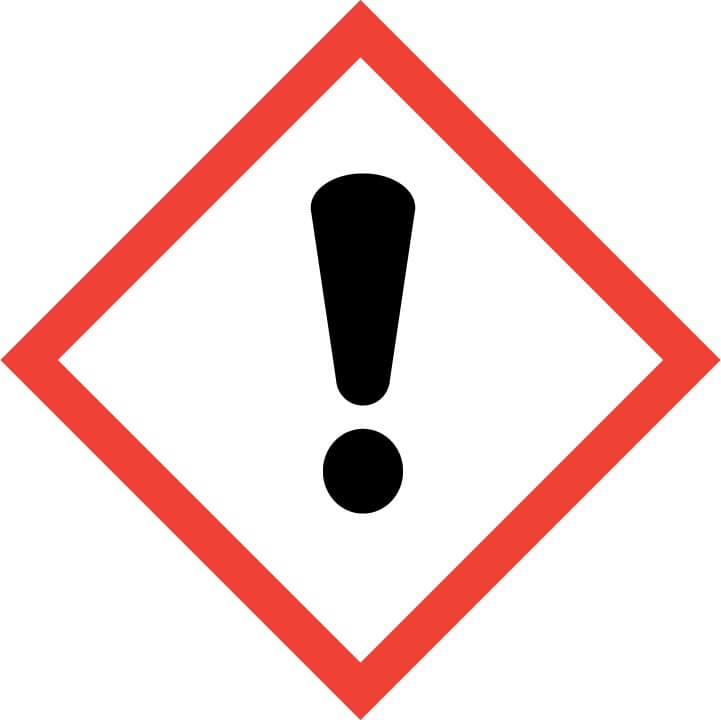
Harmful/irritant (GHS07)
For less severe health risks such as skin irritation, allergic reactions or dizziness.
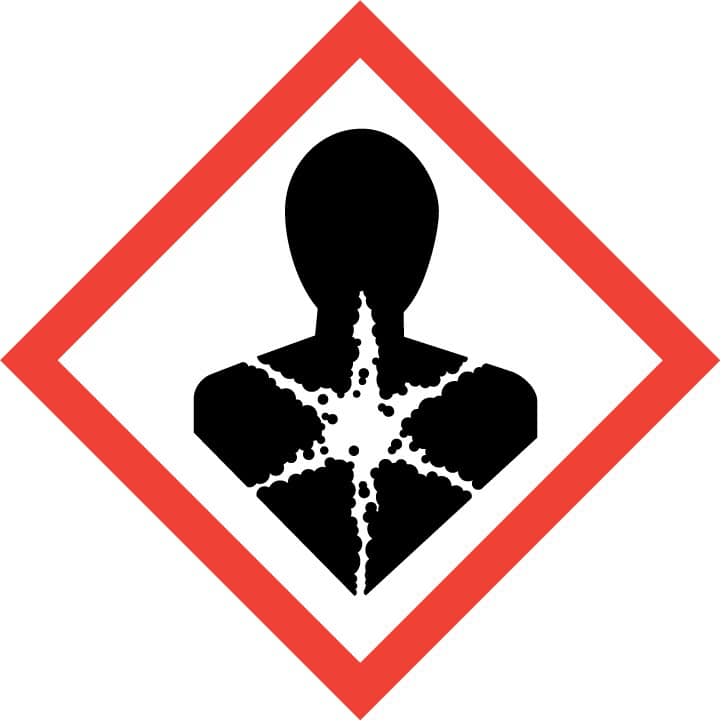
Health hazard (long term) (GHS08)
May cause cancer, damage genetic material or damage fertility.
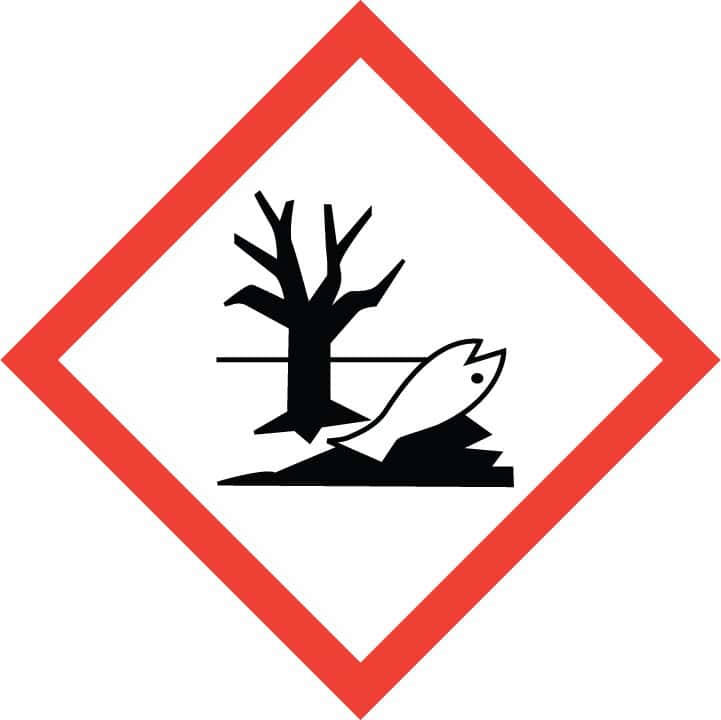
Environmentally hazardous (GHS09)
Harmful to organisms in water and ecosystems.
Please note: a substance may have multiple hazard pictograms at the same time.
These symbols appear not only on product labels, but also in safety data sheets (SDSs), work instructions and storage locations.
3. H-phrases, P-phrases and EUH-phrases
CLP requires the use of standardised warning phrases:
- H statements (hazard statements): describe the type of hazard. Example: H314 – Causes severe skin burns and eye damage.
- P statements (precautionary statements): specify safety measures. Example: P280 – Wear protective gloves.
- EUH statements: supplementary statements that are not part of the GHS but are mandatory in the EU. Example: EUH066 – Repeated exposure may cause skin dryness or cracking.
The formulations of H, P and EUH phrases are legally established and may not be changed or reworded.
4. Labelling according to CLP
A label on a chemical product must comply with the requirements of the CLP Regulation. This means it must be clear, legible, and correctly arranged . A correct label must contain at least:
- Product identification (the name of the substance or mixture)
- Signal word (“Danger” or “Warning”)
- Hazard pictograms (the CLP hazard symbols shown above)
- H-phrases (hazard statements) and P-phrases (precautionary statements)
- Name and contact details of the supplier
- UFI code (Unique Formula Identifier) – mandatory for hazardous mixtures for consumer or professional use
- CAS number – the international identification number for pure chemical substances
- UN number – four-digit code that identifies substances during transport according to ADR legislation (if applicable)
The UFI code is a unique 16-character code that enables poison centres to identify the exact product in an incident. For example:
UFI: W1NT-6H3P-YR56-7J8L. This code must be clearly visible on the label, preferably near the product name.The CAS number (e.g.
64-17-5for ethanol) is an internationally recognised code that precisely identifies a specific chemical substance, regardless of brand name or supplier.The UN number (e.g.
UN 1170for ethanol) is particularly important when transporting dangerous goods. This number forms part of the ADR regulations and is used on transport documents and packaging.
5. Who is responsible for CLP classification?
- Manufacturers and importers must correctly classify and label their substances.
- Mixtures may be classified on the basis of data or calculations.
- Distributors must report what they receive.
- Downstream users must verify that product use falls within the communicated hazard classification.
6. CLP in relation to SDSs and REACH
The CLP classification partly determines how a safety data sheet (SDS) is completed. Pictograms and hazard statements from CLP are directly included. CLP and REACH are therefore closely intertwined. The information registered under REACH (such as toxicological data) forms an important basis for the correct classification under CLP.
Frequently asked questions about CLP
What is the difference between CLP and GHS?
GHS is a global system established by the UN. CLP is its European translation, sometimes with stricter or additional regulations.
Do I need to use CLP symbols on labels?
Yes, if you work with hazardous substances or mixtures, you are legally obliged to use the correct pictograms, H- and P-phrases.
Does CLP also apply to small packages or samples?
Yes. Small packages and samples are also covered by CLP. The labeling must be appropriate for the size, but must not omit any essential information.
Can I still use old hazard pictograms (orange squares)?
No. Since June 2015, the old DSD/DPD symbols are no longer permitted. Only the CLP symbols in a red and white diamond pattern are valid.
ℹ️ Disclaimer
This explanation of CLP is intended as a general guide and should not be considered legal advice. While we strive for accurate and up-to-date content, no rights can be derived from this article. Regulations regarding chemical substances change regularly; therefore, always consult official sources such as the ECHA, the Dutch government , or the Human Environment and Transport Inspectorate (ILT) for the most recent and binding information. If you see an error or outdated information, please let us know; we’re happy to improve it.
This article is part of the series: Working safely with chemicals. See also: